Background
What are oil sands tailings ponds?
“Tailings” are the waste byproduct of extracting bitumen from sand, clay, and water. To separate bitumen, companies use large amounts of water and chemicals, leaving behind a slurry of water, fine particles, and residual bitumen.
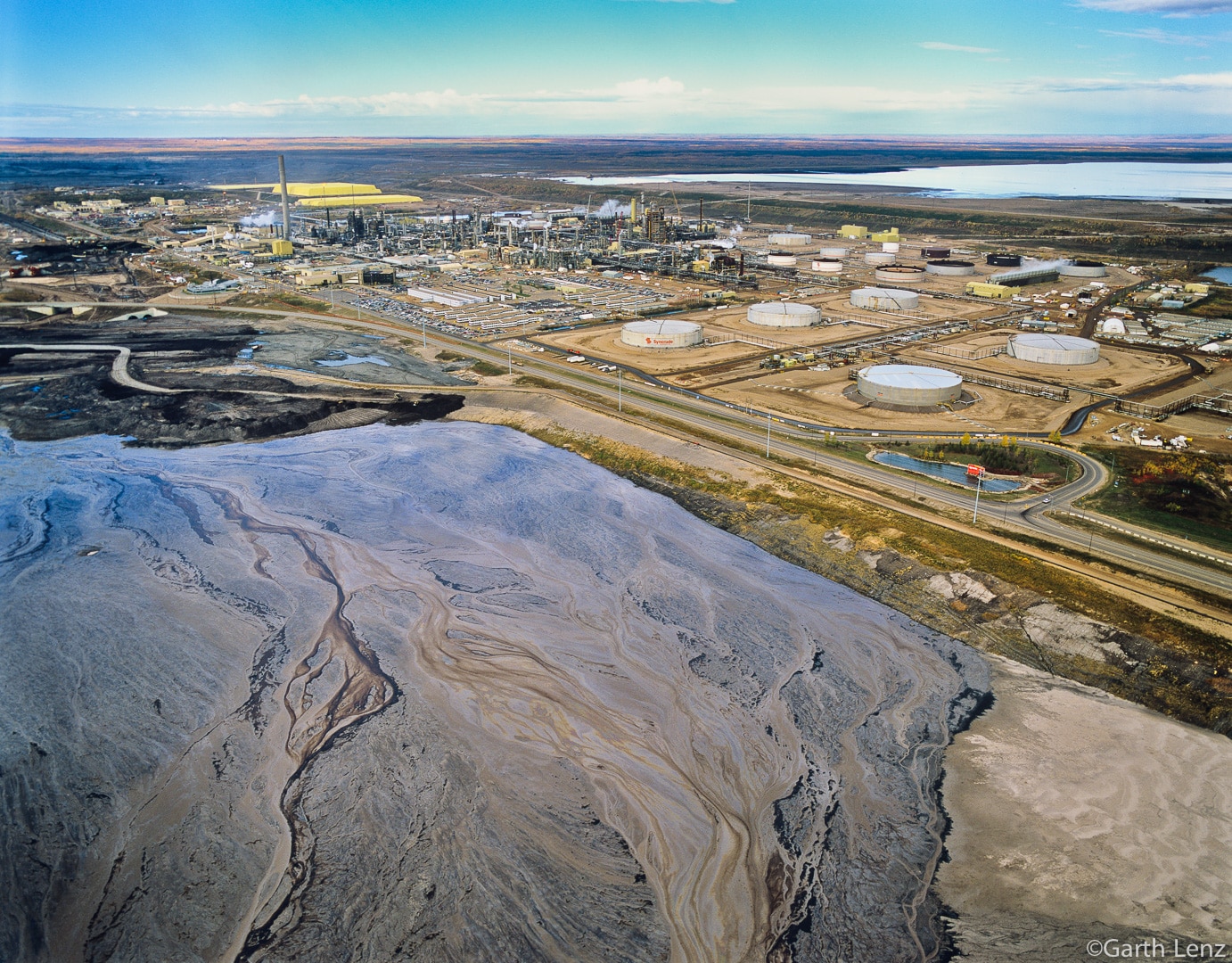
The toxic mixture is stored in “tailings ponds” – vast, open-air reservoirs held in by dams and built-up walls that can be as large as 100-meters tall. The goal is for solids to settle at the bottom over time, but the process is incredibly slow. Some fine particles can take more than a century to fully separate, meaning these ponds remain liquid, unstable, and hazardous for generations.

Northern Alberta's Biggest Secret
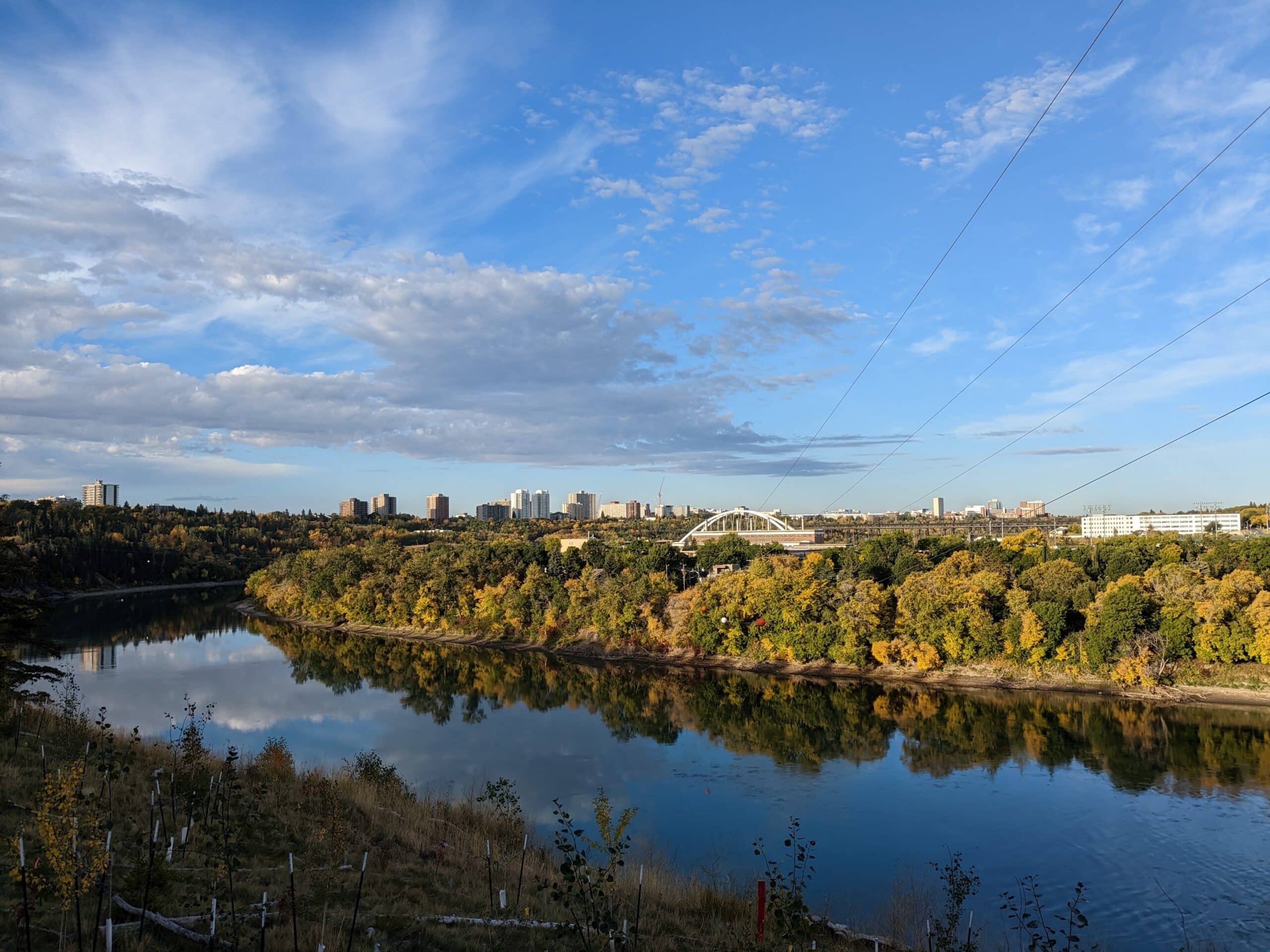
Perched on the shores of the Athabasca River, one of Alberta’s major rivers, lie thousands of hectares of industrial waste reservoirs known as tailings ponds. These artificial ‘ponds’ store more than a trillion litres of oil sands waste – a growing legacy of the oil sands industry that continues to harm the environment and people surrounding and downstream of the area.
Learn more
Oil Sands Tailings Reclamation
Oil sands tailings ponds are a growing problem for which the industry has no safe or community-supported solution. Learn more about industry standards and approaches to reclamation.
What is in Tailings?
The fluid in oil sands tailings ponds contain several toxic compounds, such as benzene, lead, mercury, arsenic, nickel, vanadium, chromium, and selenium. Fresh tailings fluids have bitumen (also known as asphalt) that can float on top of the waste fluids – it is the characteristic thick, black, and sticky substance that glistens on top of tailings ponds.
Other concerning contaminants include naphthenic acids and polycyclic aromatic hydrocarbons (compounds that can be carcinogenic). These compounds are found at far higher concentrations than in nearby natural waters. At elevated or repeated exposures, these contaminants can be incredibly dangerous to people, wildlife, and water ecosystems.


How big are oil sands tailings ponds?
Despite what the name might suggest, tailings “ponds” are massive features on the landscape. As of 2020, the total fluid tailings area was over 119 km2, which would cover the West Edmonton Mall over 240 times.
The largest tailings pond is Syncrude’s “Southwest Sand Storage”, roughly the same size as the land footprint of the Edmonton International Airport. And that’s just one pond! Altogether, all thirty tailings ponds placed end-to-end would stretch the distance from Calgary to Canmore.
The Impacts of Tailings Ponds
Surrounding & downstream communities
The oil sands industry impacts surrounding and downstream towns and communities, with Indigenous communities often being impacted the most. Impacts are seen through contamination that travels in the rivers and through the air, as well as loss of habitat and access to areas where oil sands mines operate.
Impacts to Water
Tailings ponds are known to leak into groundwater and seepage has been detected at monitoring sites extremely close to nearby surface waters.
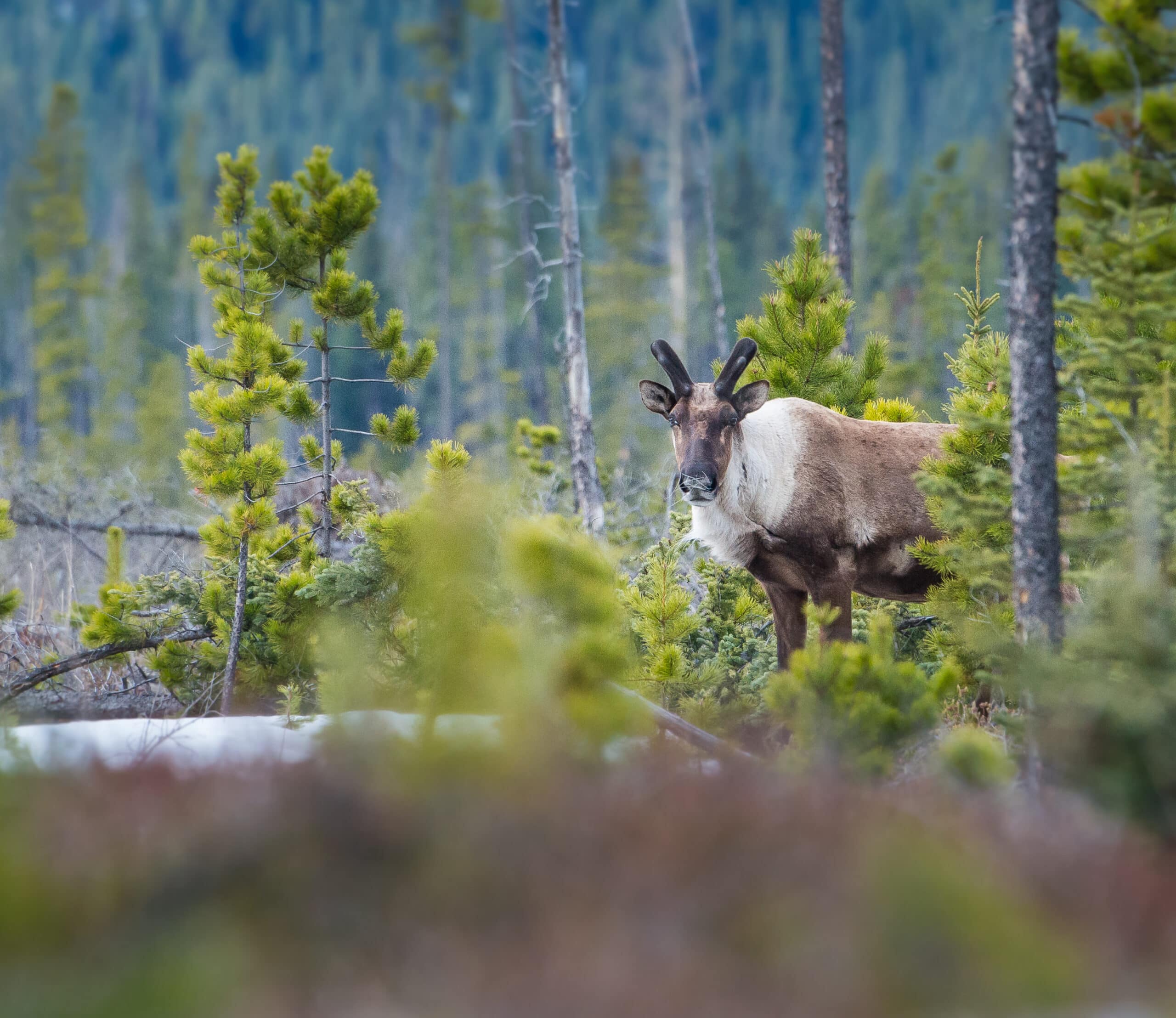
Impacts to Wildlife and Biodiversity
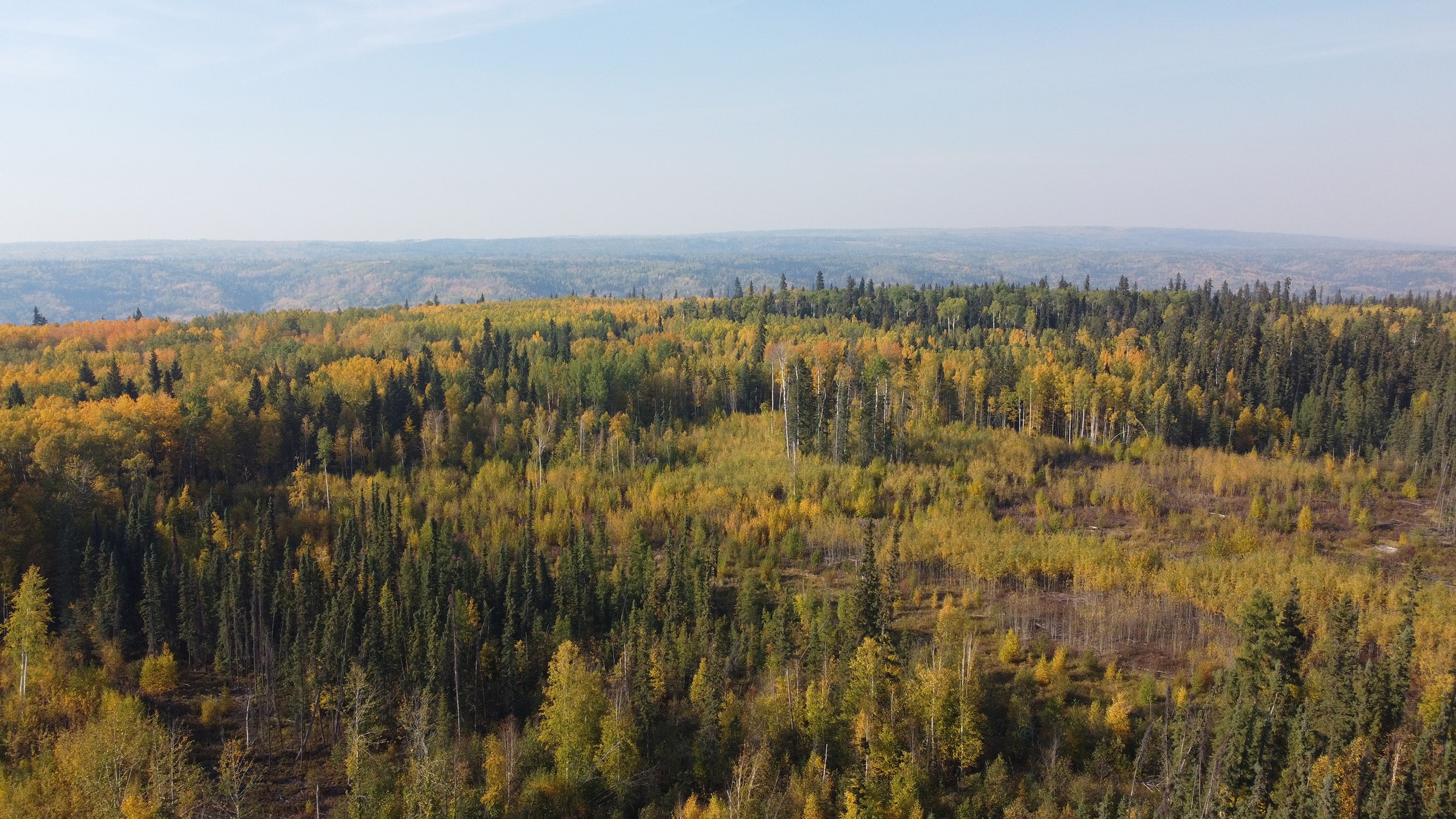
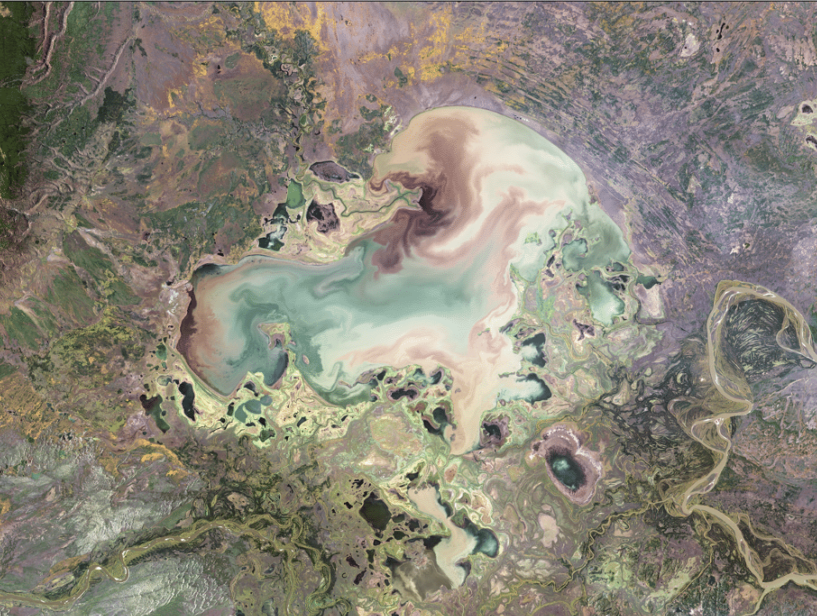
The boreal forest of northern Alberta is a natural collection of wetlands, rivers, streams, lakes, and ponds–even containing one of the world’s largest inland freshwater deltas. Tailings ponds fragment these landscapes and pose a deadly risk to wildlife – especially migratory birds.
Climate Change
There are significant losses in carbon-storing peatlands and old-growth forests by oil sands mines and their tailings ponds, releasing vast amounts of carbon that had been locked away for millennia.
Despite the climate impacts, industry has no plans to stop creating new tailings ponds, and so far, tailings reclamation options are not proven to come without other significant impacts.

Harms to Species at-risk
Lethal Bird Landings
Deadly bird landings are a persistent issue that plagues industry operators.
- In 2008, an estimated 1600 ducks died after landing in a Syncrude tailings “pond”. They were fined $3 million for their negligence. But only two years later, another 230 birds died in the exact same “pond” and then another 30 in 2014.
- Tragedy struck again in 2015, when Syncrude once again caused the death of thirty-one great blue herons, a protected migratory species, for which they were charged $2.7 million in fines.
- In more recent news, in 2022, CNRL knowingly let islands form within their tailings ponds – despite knowing such islands attract birds and pose serious risks to wildlife. Over 400 birds died as a result.
- CNRL was fined $278,000 for failing to act. Despite the clear evidence of wrongdoing, the company tried (unsuccessfully) to appeal the fine – which in our opinion, was already too small given the scale of harm caused and their soaring profit margins. Within the oil sands region, there are 14 species protected under Canada’s Species At Risk Act, including 9 at-risk bird species.
50 Years of Sprawling Tailings
Mapping Decades of Destruction
A joint report released by the Canadian Parks and Wilderness Society, Northern Alberta (CPAWS) and Environmental Defence (EDC) provides a new analysis of the unprecedented growth of tailings in Alberta’s oil sands. The time series of tailings areas mapped in this report are the first of their kind to be made publicly available, as industry and government do not provide public analyses of these kinds of data.
The key findings include:
- The footprint of all tailings is now 300 square kilometers – about 2.6 times the city of Vancouver.
- Since 1975, the tailings area has grown significantly, despite new policies aimed to reduce them. A stark increase has been seen since 2005 when the average 5-year tailings growth rate rose to 42 per cent.
- While industry is supposed to reclaim tailings “ponds” back to their pre-disturbance state, less than 0.1 per cent of the oil sands has received a formal reclamation certificate from the provincial regulator.
Learn more
Oil Sands Tailings Reclamation
Oil sands tailings ponds are a growing problem for which the industry has no safe or community-supported solution. Learn more about industry standards and approaches to reclamation.
Make a donation
Move conservation forward in Alberta.
Lasting protection for nature and wildlife in Alberta doesn’t happen overnight (although we wish it did)! Your donation fuels our fight for nature. Donate to support CPAWS Northern Alberta’s conservation efforts.