Our Work

Coal Mining in Alberta

Coal in Alberta's Eastern Slopes

Alberta's eastern slopes of the Rocky Mountains are no place for coal mines. These sensitive landscapes, fresh waters, and monumental ranges deserve permanent protection from the destruction of coal mine exploration and development. Recent changes to coal development policy puts these iconic ranges at risk.

A threat to Alberta's treasured landscapes

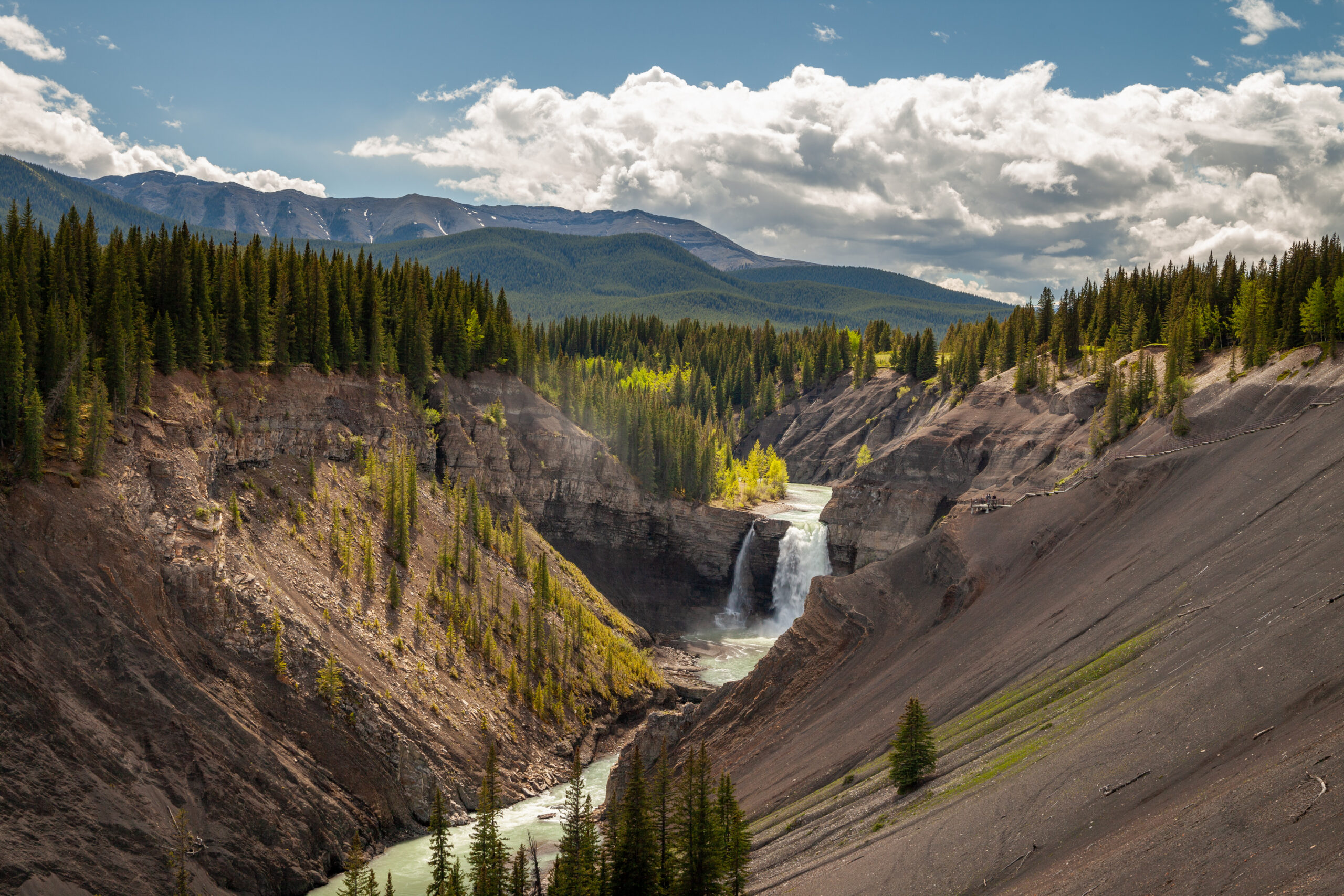
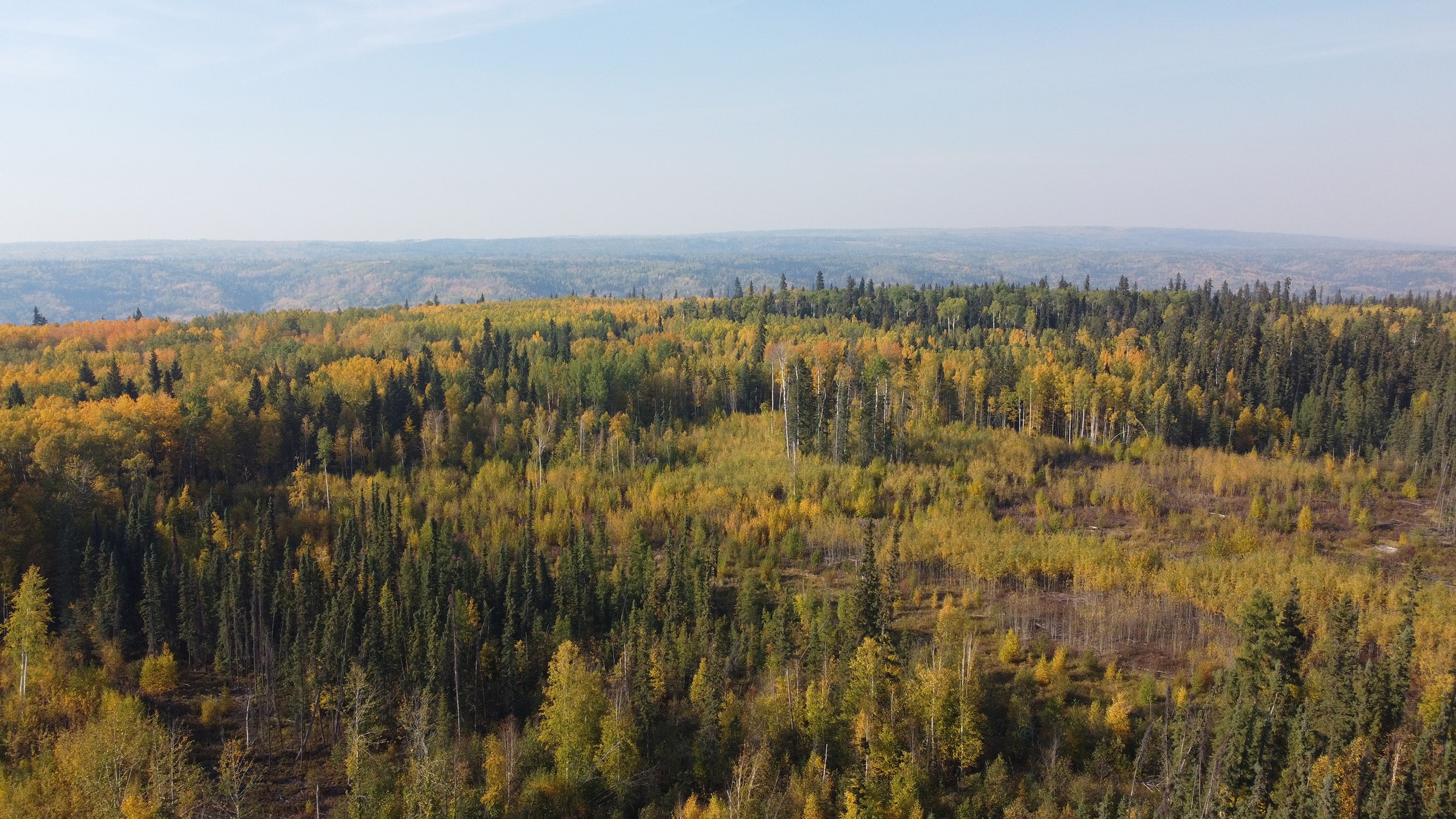
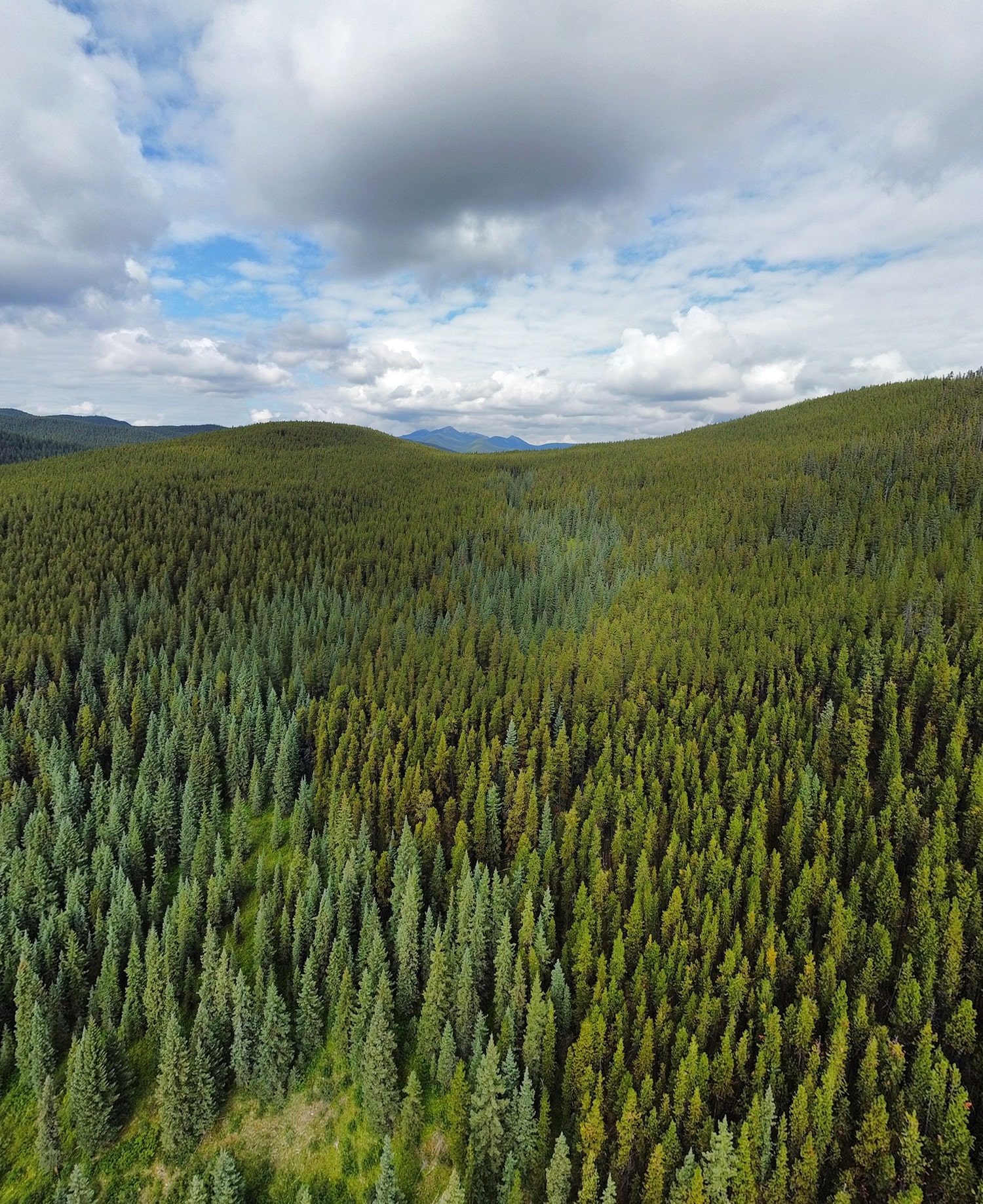
Alberta’s Rocky Mountains and foothills are home to world-class hiking, fishing, and camping and home to grizzly bears, native trout, and sensitive alpine species. The Bighorn Backcountry hosts some of the most beautiful and scenic views you have ever seen. 

 
Image

Image

Coal mining would directly conflict with recent efforts to position itself as a premier tourism destination. Of particular concern in Central Alberta are the scenic and popular areas near Nordegg, including Crescent Falls, Goldeye Lake, and Fish Lake.

 
Image

Take Action

The Biggest Coal Risk to Date

The Government of Alberta MUST develop a coal policy that protects Albertans and our Future. Over the past five years, Albertans have been loud and clear that they oppose ANY new coal exploration or mining in Alberta’s Rocky Mountains and Eastern Slopes. 

Send A Letter

Impacts from Coal Mining
and Development

Loss of Habitat for At Risk Species
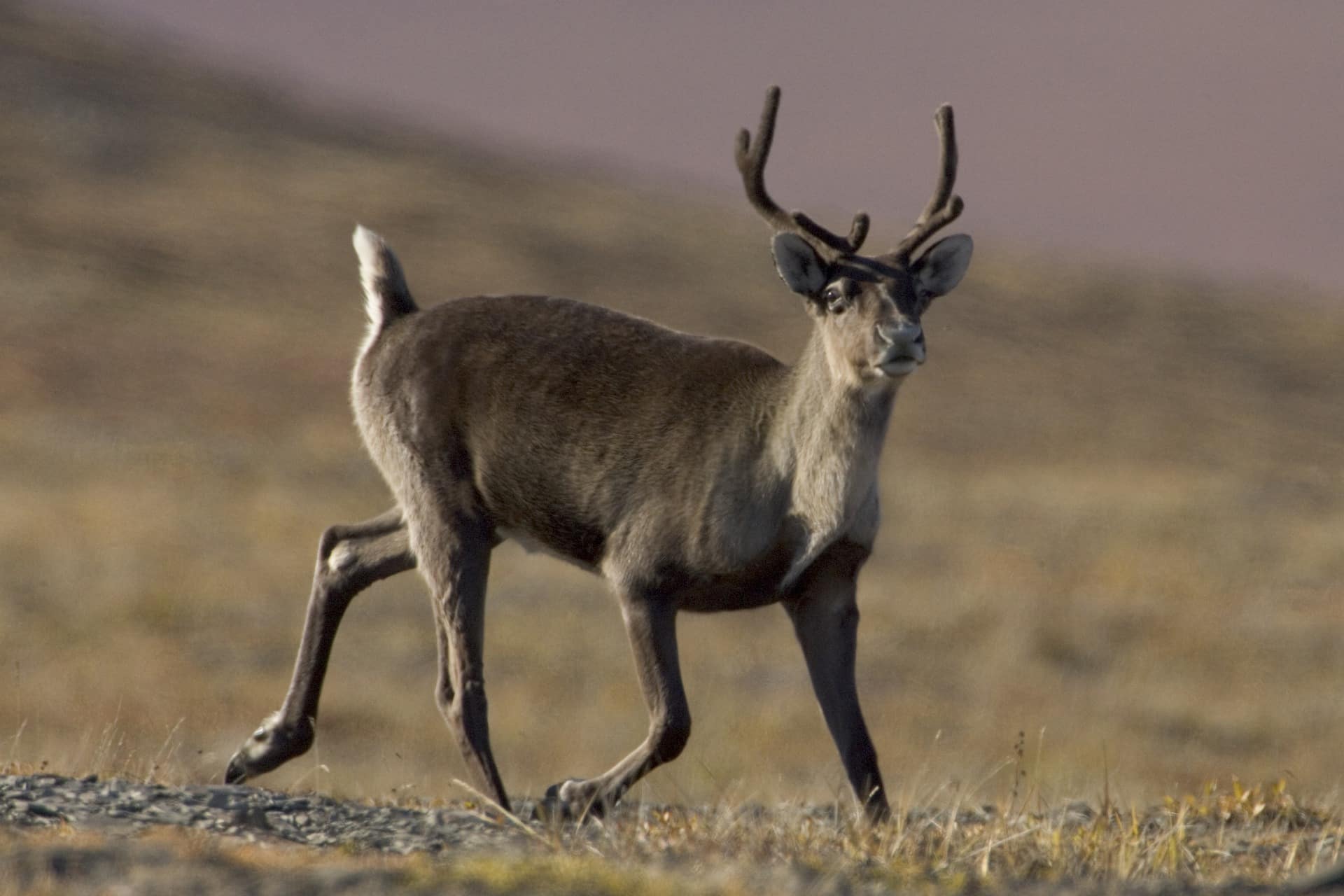
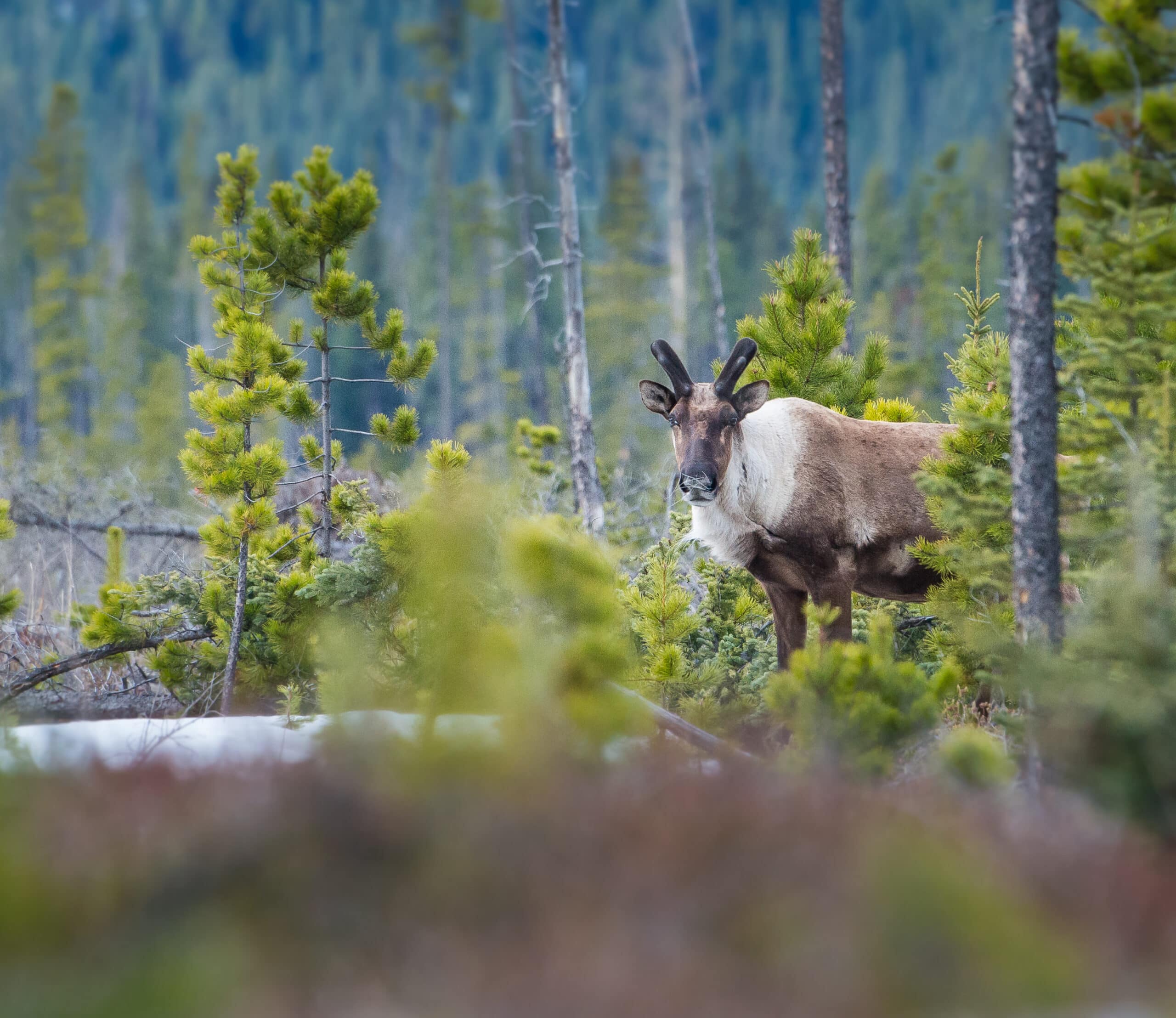
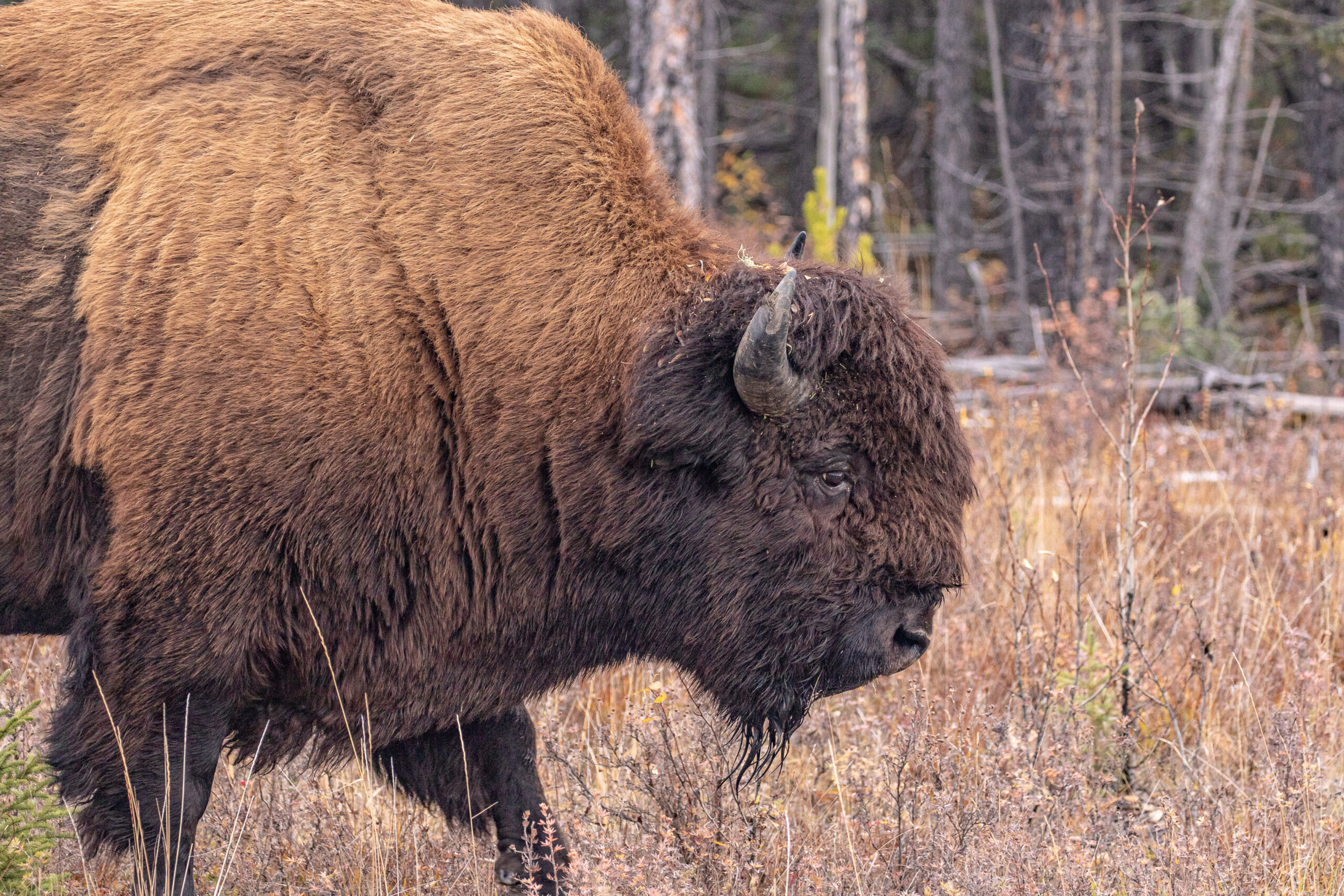
The Eastern Slopes provide habitat for many of Alberta’s iconic wildlife species, including species at risk such as grizzly bears, bull trout, and westslope cutthroat trout.
Image
Image
Loss of River Habitat for Bull Trout
In Central Alberta, the Ram River and its tributaries are some of Alberta’s best habitat for bull trout and cutthroat trout. Loss of this habitat due to coal mining would be devastating to one of Alberta’s last strong populations of bull trout. These areas are also world class fly-fishing spaces.
Water Contamination
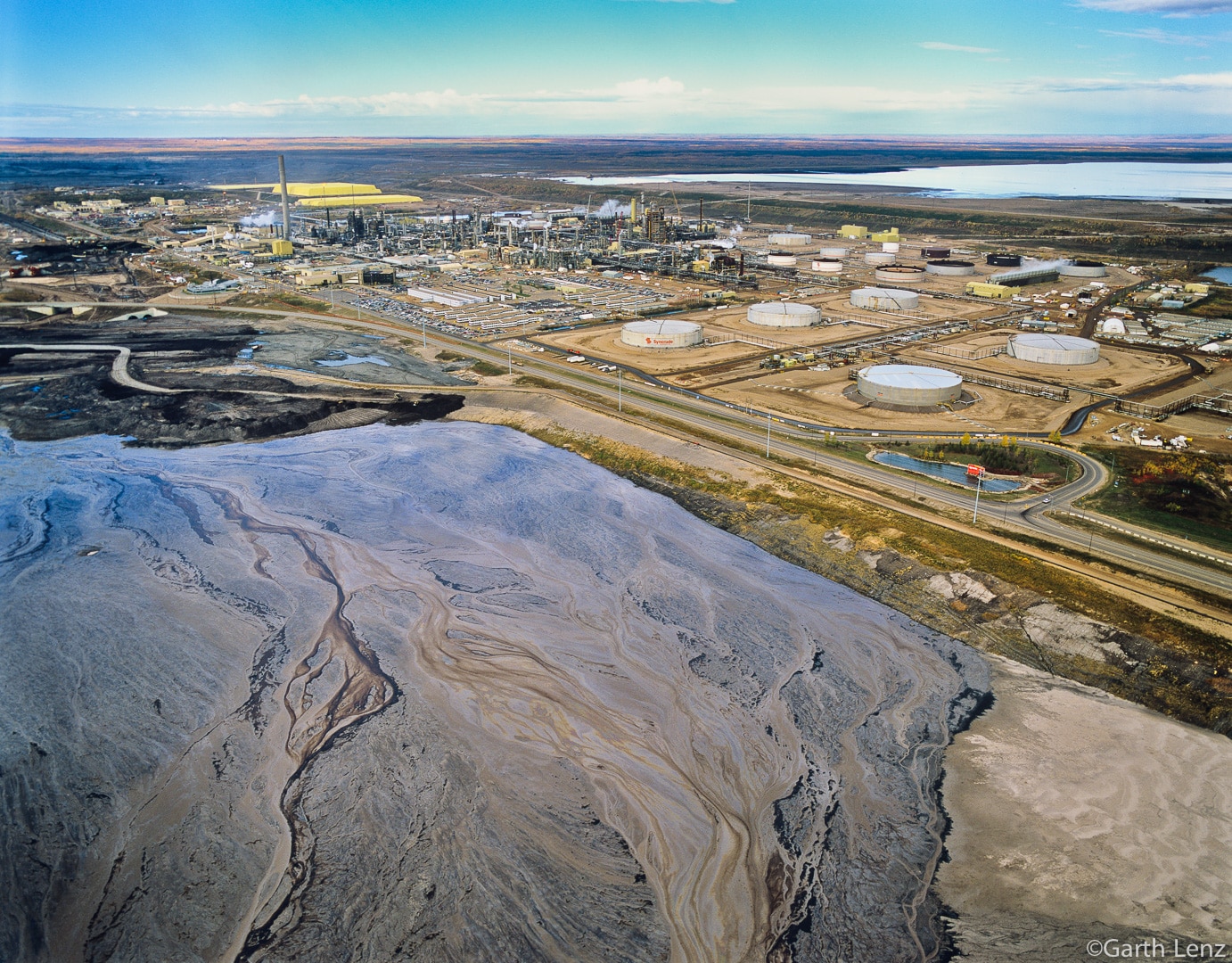
Open-pit coal mining requires huge amounts of water for operations and can leach toxins like selenium into the water, and toxic tailings pose substantial risk to downstream environments. The Eastern Slopes are the sources water to million of Albertans  supports aquatic ecosystems and native trout. Coal mining in our headwaters puts this water source at risk.
Image
Image
Loss of Recreational Opportunities
Coal leases, exploration and development restricts access to popular trails and viewpoints. An area that was once revered for its growing recreation and tourism economy can see those opportunities dry up once coal interests take precedence. It is not only the quantity of recreational opportunities that are impacted but quality of recreation can be impacted as dust and debris impact air quality and once celebrated viewpoints are dramatically changed.
Our Headwaters

Too Important to Risk

These areas where coal development could occur provide Albertans with our drinking water. They are home to the iconic landscapes and wildlife that bring people to our province and support Alberta’s diverse economy by providing places for ranching and tourism to thrive. They are where Albertans go to breathe, connect with nature, and enjoy being active.

These are just some of the many reasons why we need the Eastern Slopes of the Rockies to stay protected. And we have known this information for a long time – that’s why the majority of Albertans consulted supported the 1976 Coal Policy which provided protection from open-pit coal mining to the most sensitive areas of our Rockies.

Image

Learn More

An updated and abbreviated timeline on Coal in Alberta

Covering nearly 6 years of developments on coal mining in the Eastern Slopes of Alberta, from 2020 to 2026.

LEarn More
Maps and Visualizations

Scale of Impact on Communities and Headwaters

Coal Mining Impacts our Communities & Headwaters

Coal leases in Alberta's Drinking Waters

There are large areas of overlap in pre-existing coal agreements and the re-opening of open-pit mining in watersheds that flow to Edmonton, Lethbridge and their surrounding communities.

The effects on water will be felt downstream by an estimated 1.4 million Albertans served by the North Saskatchewan watershed and 267,000 Albertans served by the headwaters of the Oldman River.

Edmontonians have a stake

Since the removal of the 1976 Coal Policy 114,706 hectares of land have been leased for coal in areas where surface mining is supposed to be restricted in Edmonton’s headwaters. These leases remain in place despite the Coal Policy being reinstated in February 2021.

Image

Agreements and Leases in the West Country

Coal agreements and coal leases by company in Clearwater County, with the Aries and Blackstone Projects outlined in black. According to the Valory’s investor report “Valory Resources Inc. (“Valory” or the “Company”) has entered into a binding agreement to acquire Black Eagle Mining (“Black Eagle”), … which owns 100% of the Blackstone coking coal project in Alberta, Canada.”

Old and new coal agreements surround popular tourist destinations of Crescent Falls, Goldeye Lake, and Fish Lake near Nordegg, AB.

Image
What You Need To Know About

The Alberta Coal Policy

In June 2020, without any public consultation, the Government of Alberta cancelled a provincial Coal Policy that had been in place since 1976. Consequently, large, sensitive areas of the Rockies were opened up to the devastating impacts of coal development.

This change allowed coal mining companies to buy leases across large areas of our Rockies and allowed applications for exploration and development in areas where this activity was previously prohibited.

Rescinding the 1976 Coal Policy

Although the1976 Coal Policy has been reinstated, the Government of Alberta's decision to remove the policy in 2020 has left a legacy for Albertans. 

  • 186,187 hectares leased to mining companies: Land previously unavailable for coal mining (known as ‘Category 2’ under the Coal Policy) were leased to mining companies. These leases remain in place.
  • 100s of Developed Roads and Drill Pits: Many mining companies received exploration permits for their leases and developed hundreds of kilometres of roads and hundreds of test drill pits.
  • 6 Companies Allowed to Continue After Reinstatement: Six mining projects on Category 2 lands have been exempted from the reinstatement of the Coal Policy and are still allowed to continue with these devastating exploration activities. Our team is currently awaiting confirmation of the names of these projects.
Image

Resource

A Coal Policy for Alberta - 2022 and Beyond

A Policy written by Albertans, for Albertans, reflecting extensive public input to the Coal Policy Committee.

REad More
Image

Take Action

The Biggest Coal Risk to Date

The Government of Alberta MUST develop a coal policy that protects Albertans and our Future. Over the past five years, Albertans have been loud and clear that they oppose ANY new coal exploration or mining in Alberta’s Rocky Mountains and Eastern Slopes. 

Send A Letter
Make a donation 

Move conservation forward in Alberta.

Lasting protection for nature and wildlife in Alberta doesn’t happen overnight (although we wish it did)! Your donation fuels our fight for nature. Donate to support CPAWS Northern Alberta’s conservation efforts.

Donate