
Key takeaways:
- Albertans have overwhelmingly said no to coal mining in the eastern slopes.
- Coal mining, even underground, has unacceptable impacts on water and the environment.
- There are no legally enforceable limits on selenium release from coal mines. “New techniques” and “best water practices” to reduce contamination are overstated, haven’t been tested at scale, or simply don’t exist.
- The coal industry consistently overstates its economic benefit and generally costs Albertan taxpayers more money than it contributes.
- The market for metallurgical coal, which is set to decline, calls into question the economic benefits of the mines.
The Government of Alberta (GoA) are busy developing a new coal policy for Alberta and, despite the fact that Albertans have time and again said no to coal mining in the eastern slopes, this new coal policy will attempt to circumvent this public will, and permit expanded coal mining in the eastern slopes under the thinly veiled guise of so-called new and/or responsible practices.
In this blog co-authored with Alberta Wilderness Association, and CPAWS Southern Alberta, we will pick apart what we can likely expect from the new coal policy, based on what we currently know about the GoA’s Coal Industry Modernization Initiative (CIMI), and provide evidence as to the impacts that it will have.
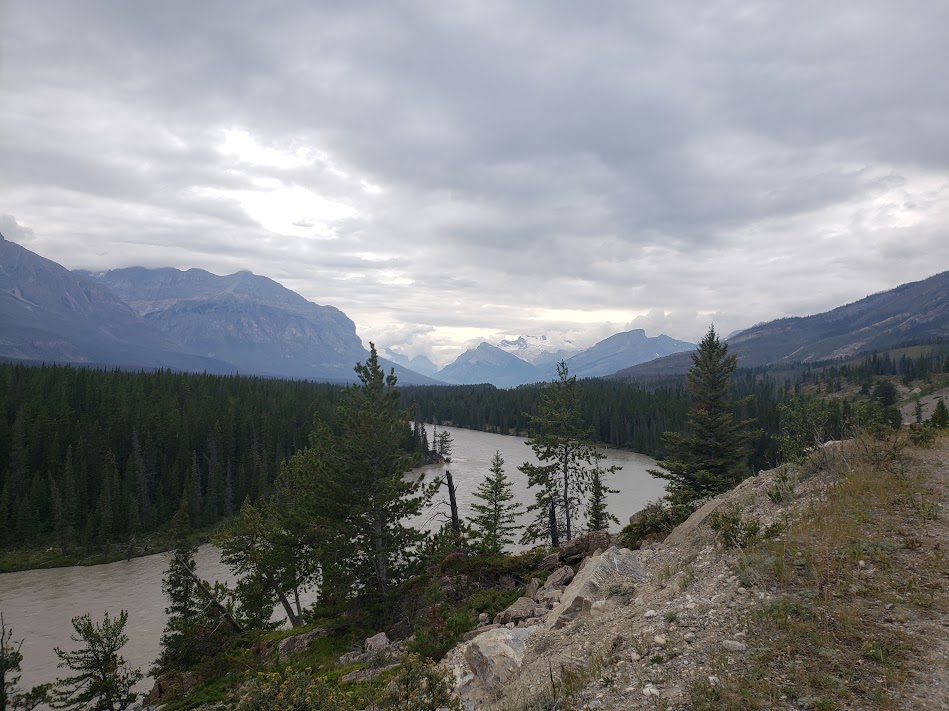
Landscape view of Bighorn Country Region, 2024
A Brief Background
In 2020, the Government of Alberta, under pressure from the coal industry, rescinded the 1976 Coal Policy, thus opening up the eastern slopes to coal mining. Following public backlash, the government were forced to reinstate the Coal Policy and, in 2021, appointed the Coal Policy Committee (CPC) “to make recommendations to the Government of Alberta about what it should consider in developing a new coal policy.”
After a consultation survey taken by almost 25,000 people as well as extensive engagement with “municipalities, unions, Indigenous leaders, environmental groups, ranchers, landowners and industry representatives”, the CPC released two reports: ‘Engaging Albertans About Coal’ and their ‘Final Report: Recommendations for the Management of Coal Resources in Alberta’. While the final report includes recommendations for what a new coal policy for the whole of Alberta should look like, the engagement report states that “approximately seven, or perhaps even eight, in ten Albertans oppose, or are not in favour of, policies that would accelerate or expand the mining of coal in the Eastern Slopes of Alberta.” This sentiment should be reflected in the new coal policy but, instead, coal mining is being permitted in the eastern slopes at the behest of industry, and arguably under even less stringent regulations.
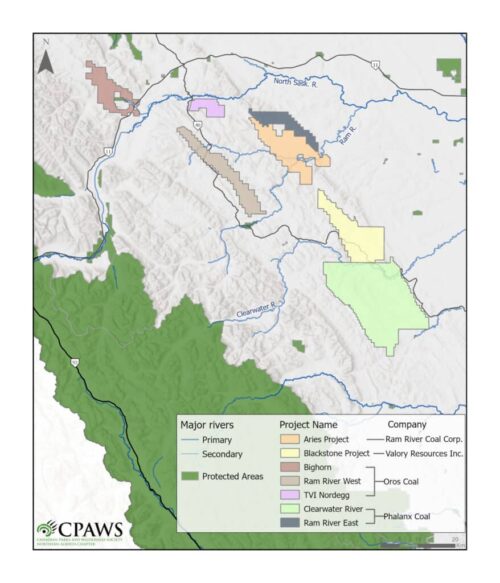
Areas within the Bighorn region where coal companies have indicated project interest and have coal leases covering all or part of the area. Project boundaries have been drawn from current coal agreement boundaries and investor presentations available on the respective company websites.
What Do We Know About CIMI
Although CIMI has not yet been released publicly, the government has stated that it will:
- Prohibit mountain-top removal coal mining
- Restrict new surface mining that does not meet “best practices”
- Require “best water practices”
- Require mining techniques that “prevent” selenium form entering waterways
However, the government has stated that consultation on these legislative and regulatory changes occurred solely with industry. Given the well-documented public concern over coal mining impacts, it is difficult to understand how the government can justify excluding Indigenous communities, environmental experts, landowners, members of the public, and other affected stakeholders from the process. A breakdown of our key concerns are outlined below.
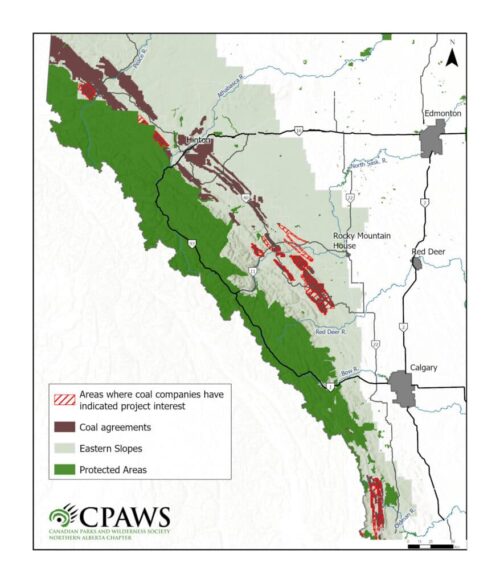
Areas within the eastern slopes where coal companies have indicated project interest and have coal leases covering all or part of the area. Project boundaries have been drawn from current coal agreement boundaries and investor presentations available on the respective company websites.
Mining Methods and Impacts
The various methods for mining coal are not clearly defined and are often used in combination. Thus, attempts to allay concerns by banning certain extraction techniques do not address the core risks of any new coal mines.
Mountain-top removal and surface coal mining
Although banning the technique of mountain-top removal is specifically stated in CIMI, mountain-top removal was already prohibited in much of the Eastern Slopes through a ministerial order from 2021. However, in this Order, the government considered “mountain-top removal” to only refer to the complete removal of a mountain top. If this narrow definition is retained in CIMI, it will continue to provide a significant loophole for industry which allows for considerable destruction of Alberta’s iconic foothills. In addition, the communications on CIMI to date suggest that it will prohibit new open pit mines, while allowing other types of surface mining. Much like mountain-top removal, what ultimately is defined as an “open-pit” mine is unclear, and we already know that existing companies have lobbied for a more “lenient definition” to not impact their planned operations.
According to the Minister, the policy will allow surface mining, highwall mining, contour mining, auger mining, self-contained progressive reclamation mining, and other mining methods. All of these mining styles include stripping away vegetation, soil, and rock to access coal reserves. These all create significant disturbance to land, destroy habitat for species at risk, displace people from the landscape, and create water contamination and air pollution.
Underground mining
Several project proponents are framing their proposed coal mines as “underground”, but underground mining almost always requires associated surface disturbance and infrastructure, the impacts of the ‘underground mining’ aspect of operations alone are significant and outlined below.
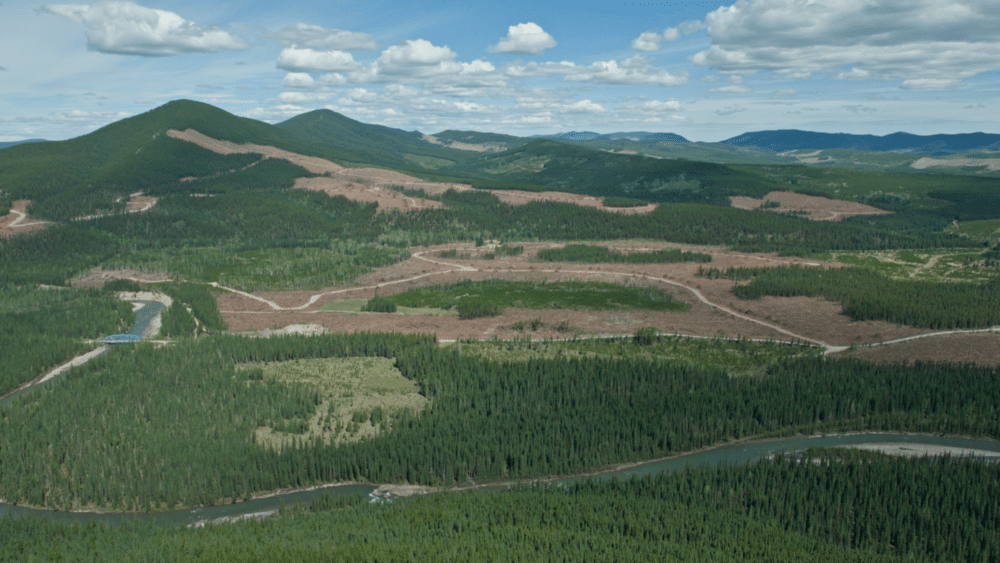
Damage done in West Country Region, Blackstone Mine. Flyover 2021
Water Quality Concerns
Selenium
The government has suggested that future coal mines will be required to prevent selenium from entering waterways. In practice, this would require a legally enforceable zero-discharge standard, which currently does not exist in Alberta. Without enforceable provincial or federal limits, companies have no binding obligation to meet these commitments.
Even with strict standards, there are currently no economically viable technologies that entirely prevent selenium contamination. Treatment systems can reduce selenium contamination, but they:
- Are expensive and rarely implemented comprehensively
- Cannot capture all surface and groundwater flows
- Often require perpetual treatment after mine closure
- Have not been widely demonstrated at scale
Selenium contamination occurs when mining exposes rock to oxygen and water, releasing soluble selenium into groundwater and streams, therefore bypassing the mine’s pumping/treatment system. This is of particular concern in Alberta’s steep mountain terrain that has undergone intense folding, faulting, and fracturing during its geological history. Therefore, even if mines invest in the most efficient water treatment systems, which they seldom do (because it’s too expensive), these methods cannot entirely prevent selenium contamination.
Other contaminants
Selenium is only one of many contaminants associated with coal mining. Research by Alberta government scientists on reclaimed metallurgical coal mines near Cadomin found that the concentration of 17 coal contaminants were at least 3 times higher downstream of the mine sites compared to unaffected streams (Cooke et al., 2025). Despite causing adverse effects at heightened concentrations, many of these contaminants have no enforceable limits associated with them and are not addressed within industry best practices.
Studies in otherwise pristine river systems have also shown that aquatic ecosystems downstream of underground coal mines experience increased salinity, higher metal concentrations, elevated water temperatures, and reduced biodiversity, even when mines comply with existing discharge regulations.
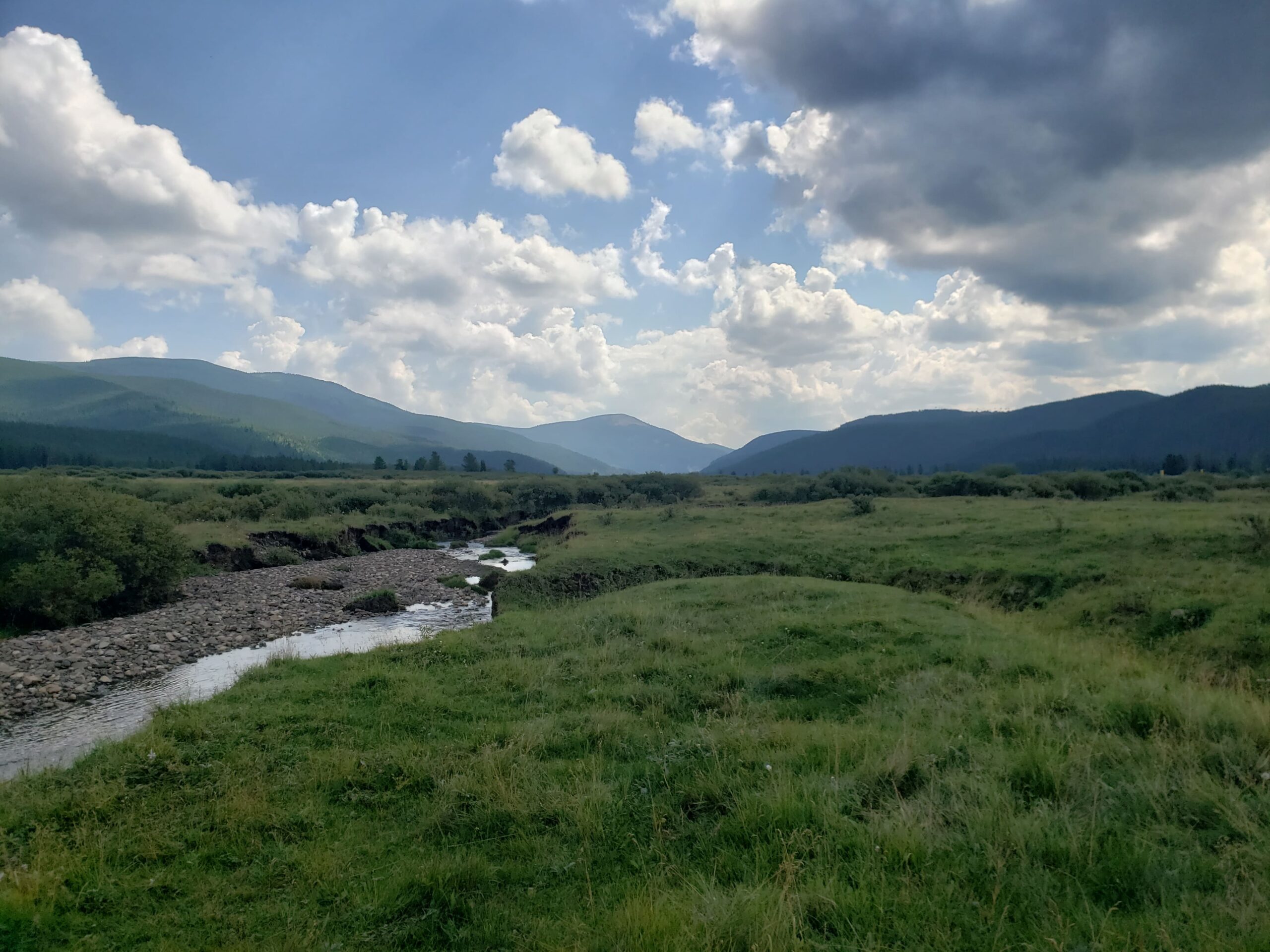
Landscape view of Bighorn Country Region, 2024
Additional Environmental Impacts
Fugitive Coal Dust
Underground operations still require coal to be stored, transported and processed above ground. Coal dust from trains, haul trucks, conveyors, and waste rock piles can travel far beyond mine sites and has been linked to public health risks and ecosystem contamination. Government scientists have documented coal dust contamination more than 50 km from mining operations.
Habitat Disturbance
Underground coal mines often cause subsidence, where the ground surface sinks or collapses. Subsidence can alter surface and groundwater movement, damage wetlands, destabilize slopes, and increase risks to nearby infrastructure and waterways. In particular, studies have found that wetlands above subsiding underground coal mines are dryer and hold water for shorter time periods, and that no amount of restoration, remediation, or offsetting strategies are effective in mitigating these impacts (Mason et al., 2021).
Subsidence has been observed at existing underground mining operations in Alberta, including at a site directly above the Smoky River and Highway 40 at CST Canada Coal’s operations near Grande Cache . Because of its proximity to the highway and river, any potential failure here may pose a significant risk to the watershed, the environment, and the public (Samsonov et al., 2024).
The Market for Metallurgical Coal
Given these high risks and impacts, why is the government justifying new coal? Let’s try to answer two important questions to understand if the government’s argument that metallurgical coal is necessary holds water. We want to understand:
- How important is metallurgical coal to steel production globally?
- How will this impact demand for metallurgical coal going forward?
The coal industry in Alberta is relying heavily on the perception that global demand for metallurgical coal to make steel in countries like China and other Asian countries will continue but, by most accounts, this is an unsafe bet.
Metallurgical coal is used to produce coke, which is used within blast furnaces to produce steel. However, this is not the only way to produce steel, and the steel industry is working to transition away from the use of blast furnaces to more sustainable, and less carbon-intensive, production methods. Even without transition pressure rising, current analysis from, the International Energy Agency (IEA) forecasts that global demand for coal has plateaued and will slightly decline by 2030 (Coal 2025). Metallurgical coal may have slightly better prospects and a more gradual decline compared to thermal coal, but this is not a guarantee. Some of this is based on demand specifically from India. However, the Institute for Energy Economics and Financial Analysis (IEEFA) suggests, that demand from India will not be enough to prop up global metallurgical coal demand, and that this demand is unlikely to continue into the long term as India shifts to focusing on local production and a future transition away from coal (IEEFA 2025). Additionally, the AER notes in their review of global metallurgical coal demand that “the long distance from the mine to market creates a competitive disadvantage for Alberta’s exporting coal producers”.
In Canada, the Canadian Steel Producers Association is working “to replace fossil-based fuels and reductants in industry’s operations”. This is why 9 of the 12 steelmaking operations in Canada already use Electric Arc Furnaces (EAF), which do not rely on coal but instead rely on scrap steel or high-grade iron ores (which can be mined in Canada, reducing our reliance on foreign markets). Currently, 46% of steel in Canada is produced using EAF and this proportion is only likely to increase as companies continue to transition away from carbon-intensive methods. Those still using blast furnaces are located in Ontario and Quebec, and do not use the metallurgical coal produced in western Canada. Instead, they import from closer mines in Appalachia.
Given this context, the long-term prospects for metallurgical coal demand out of Alberta are unfavorable, at best. The short to medium term prospects may start disappearing by the time the mines get up and running, taking millions or billions in investments and thousands of potential jobs with them, Coal mine operations can be substantially delayed even without community opposition to them.
In a study of 27 coal mines projected to open by 2022 in BC. Collard et al. (2024) found that only 7 mines opened on time, 7 were delayed, and 13 remained non-operational, with the most cited reason for delays being economic factors like commodity prices. Regulations were not a major reason for delays. The study also found that the mines for which data was available are “underperforming across production (−77%), employment (−82%), and tax revenue (−100%).”
Similar research has shown that coal companies overstate purported benefits of their mines, only achieving 59% of employment and 34% of the tax revenues they had forecasted (Collard et al. 2023). This is important as it not only speaks to the accuracy of the information on which approvals for mines are based, but also to the credibility of the industry more generally.
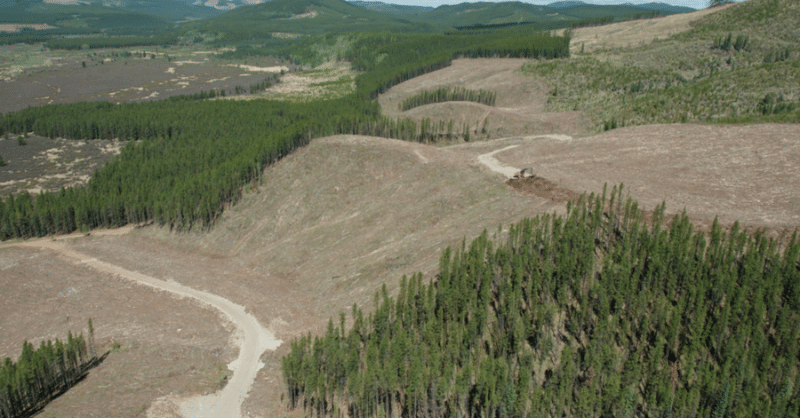
Damage done in West Country Region, Blackstone Mine. Flyover 2021
Conclusion
Coal mining in Alberta’s eastern slopes poses substantial and long-lasting risks to water, ecosystems, and public finances. Claims that modern mining practices can fully mitigate these impacts are not supported by current evidence or regulatory frameworks.
At the same time, the long-term economic outlook for metallurgical coal is increasingly uncertain as global steel production transitions away from coal-intensive technologies.
Albertans are already bearing the environmental and financial costs of poorly regulated coal development. Expanding coal mining in the eastern slopes risks creating additional long-term liabilities while disregarding the clear and repeated opposition expressed by the public.
Make a donation
Move conservation forward in Alberta.
Lasting protection for nature and wildlife in Alberta doesn’t happen overnight (although we wish it did)! Your donation fuels our fight for nature. Donate to support CPAWS Northern Alberta’s conservation efforts.
Donate