
Cleaning up Tailings
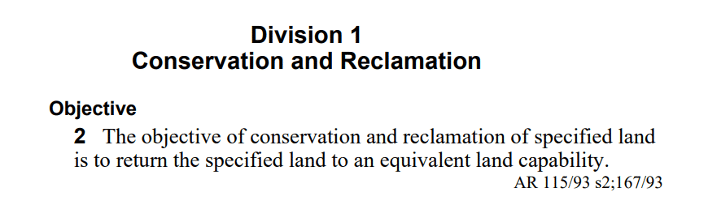
How is reclamation defined?
The province’s definition for reclamation is purposefully vague and incomplete. It makes room for regulatory approvals for the irreversible destruction of peatlands in project areas. The regulations fail to focus on how the primary purpose of reclamation should be to reduce and eliminate known environmental harms and support Indigenous traditional practices.
CPAWS Northern Alberta recognizes there is an unclear path forward for reclaiming tailings ponds, but the need for a community-supported and environmentally safe option is clear, given the impacts communities have had to deal with for decades.
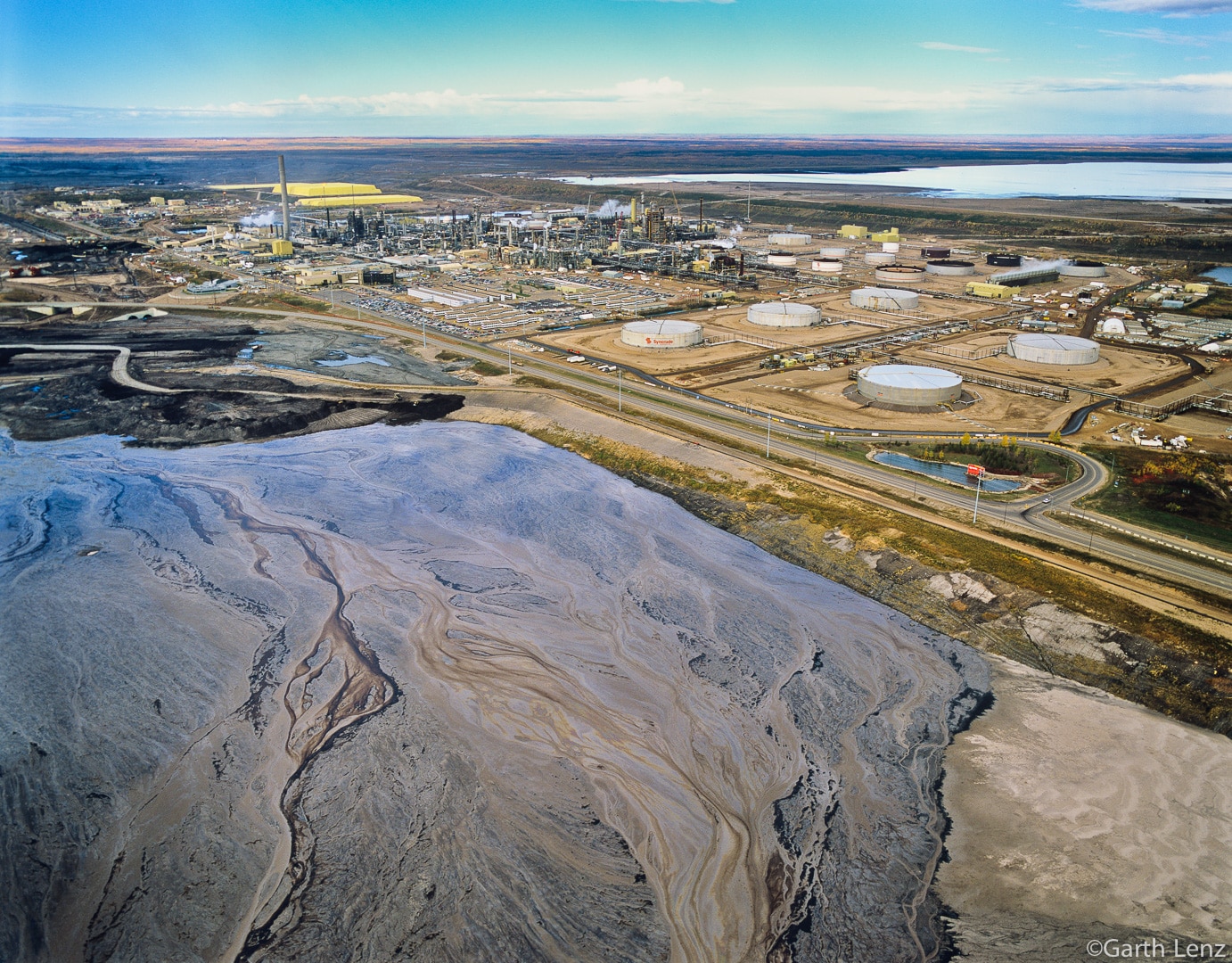
Industry approach to reclamation
Alternative Tailings Reclamation Technologies
Alternative tailings reclamation technologies focus on techniques that reduce industry’s inventory of tailings fluids. For example, accelerating the dewatering process so the tailings turn from slurry into sludge, and sometimes further dried into “cakes” which can be transported elsewhere.
These technologies are rarely verified by independent researchers outside of industry and have so far yielded no safe option for treating tailings. Outcomes of research projects are not always transparent. There are no requirements for project results, or project progress, to be publicly shared or published in peer-reviewed journals.
Major decisions for processes to reclaim tailings ponds are expected by 2027.
CPAWS Northern Alberta recognizes that the need for a community-supported and environmentally safe option is non-negotiable. The operations of the oil sands cannot be allowed to continue at the cost of community and ecosystem health.
Treatment and Release of Tailings
As tailings ponds continue to grow and become difficult to manage, the oil sands industry has pushed for a new approach: treating tailings waste and releasing it into the Athabasca River.
Under Canada’s Fisheries Act, it is illegal to deposit any substance that could harm fish or fish habitat into natural waters unless regulations explicitly allow it. Currently, no such regulations exist for oil sands tailings (though tailings ponds are seeping into the environment).
Because tailings volumes continue to increase, the federal government, alongside Health Canada and Indigenous communities, is reviewing whether a regulatory path should be created for treatment and release.
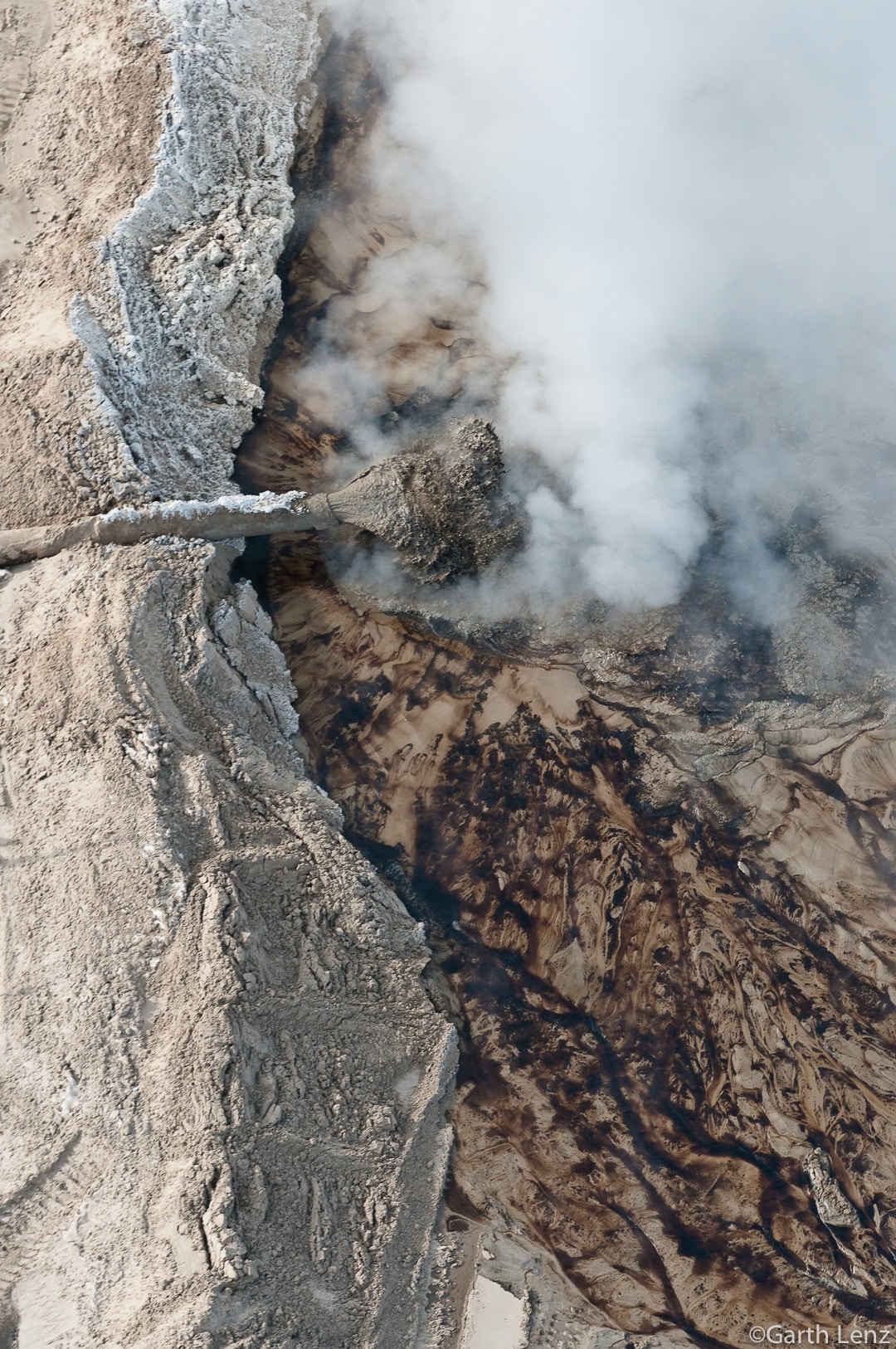
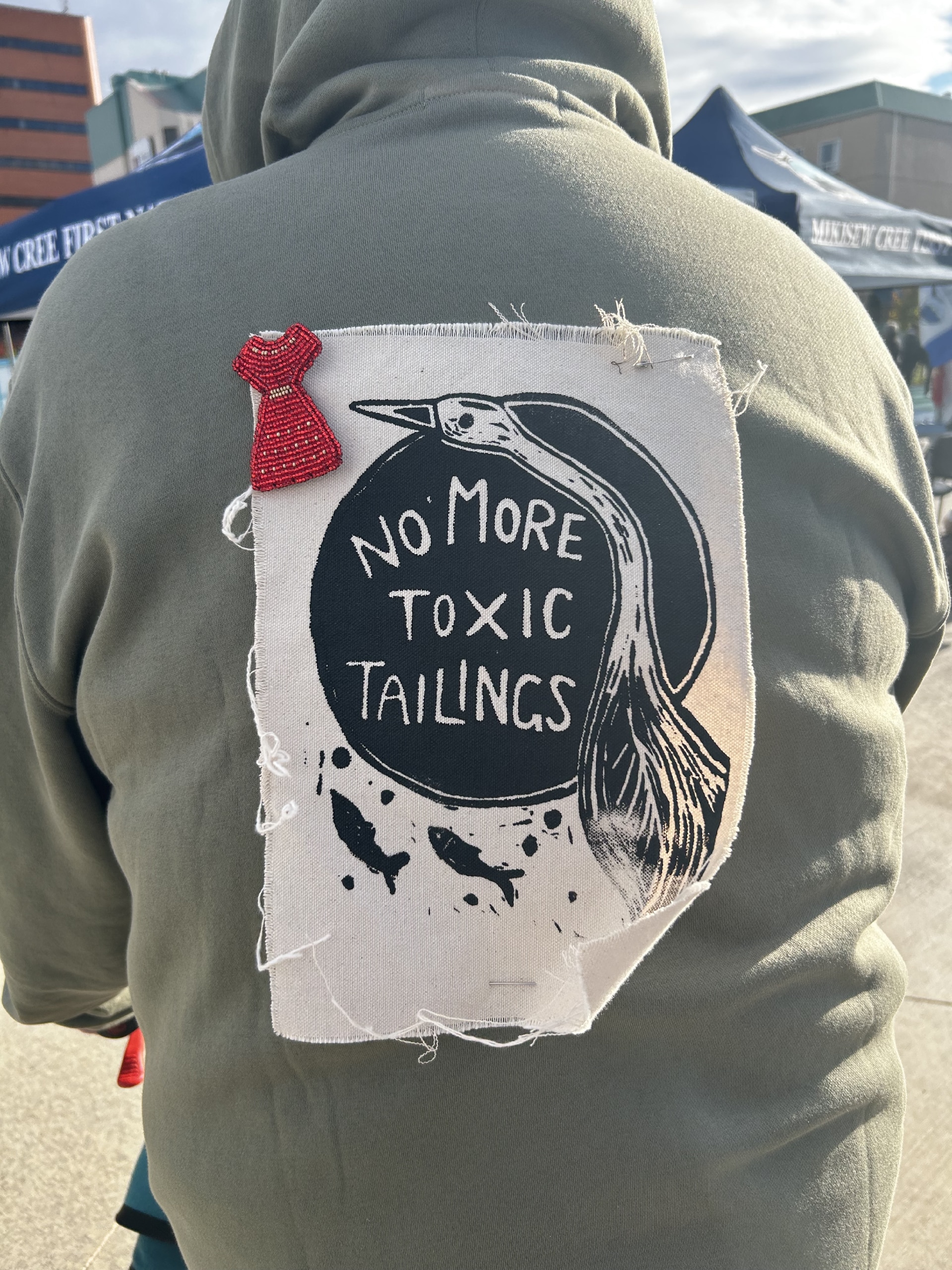
Photo Courtesy of Crystal Stamp-Cardinal, Keepers of the Water
The federal government has proposed two paths forward:
- Develop federal regulations that would permit the release of treated tailings into the Athabasca River under specific conditions.
- No federal authorization to release treated tailings into the Athabasca River, and instead, alternative options are explored.
Indigenous communities have strongly opposed the treatment and release option, with concerns about the safety of the drinking water, the health of fish and the aquatic ecosystems, and the cumulative impacts of decades of industrial pollution. Trust has already been eroded due to past contamination and lack of transparency.
Industry, however, has deemed the treatment and release option necessary, claiming that other alternatives will not reduce volumes quickly enough to allow for reclamation.

Learn more
Oil Sands Tailings
Learn more about the sheer size and risk that northern Alberta's oil sands tailings pose to communities, wildlife and healthy waters.
Make a donation
Move conservation forward in Alberta.
Lasting protection for nature and wildlife in Alberta doesn’t happen overnight (although we wish it did)! Your donation fuels our fight for nature. Donate to support CPAWS Northern Alberta’s conservation efforts.