
Do not miss the actions and petition link further down!
November 25th, 2026
Amiskwaciwâskahikan/Edmonton – CPAWS Northern Alberta is deeply concerned about the anticipated environmental impacts that would follow the passing of Bill C-39 and the recent Pacific Link pipeline announcements.
Bill C-39, also known as the Building Canada Strong Act, could mark the most significant weakening of federal environmental legislation in Canadian history. The bill aims to fast-track federal approvals for major industrial projects to “revitalize the economy” and attract foreign investments. However, the bill comes at the enormous cost of violating Indigenous, environmental, and labour rights across the country.
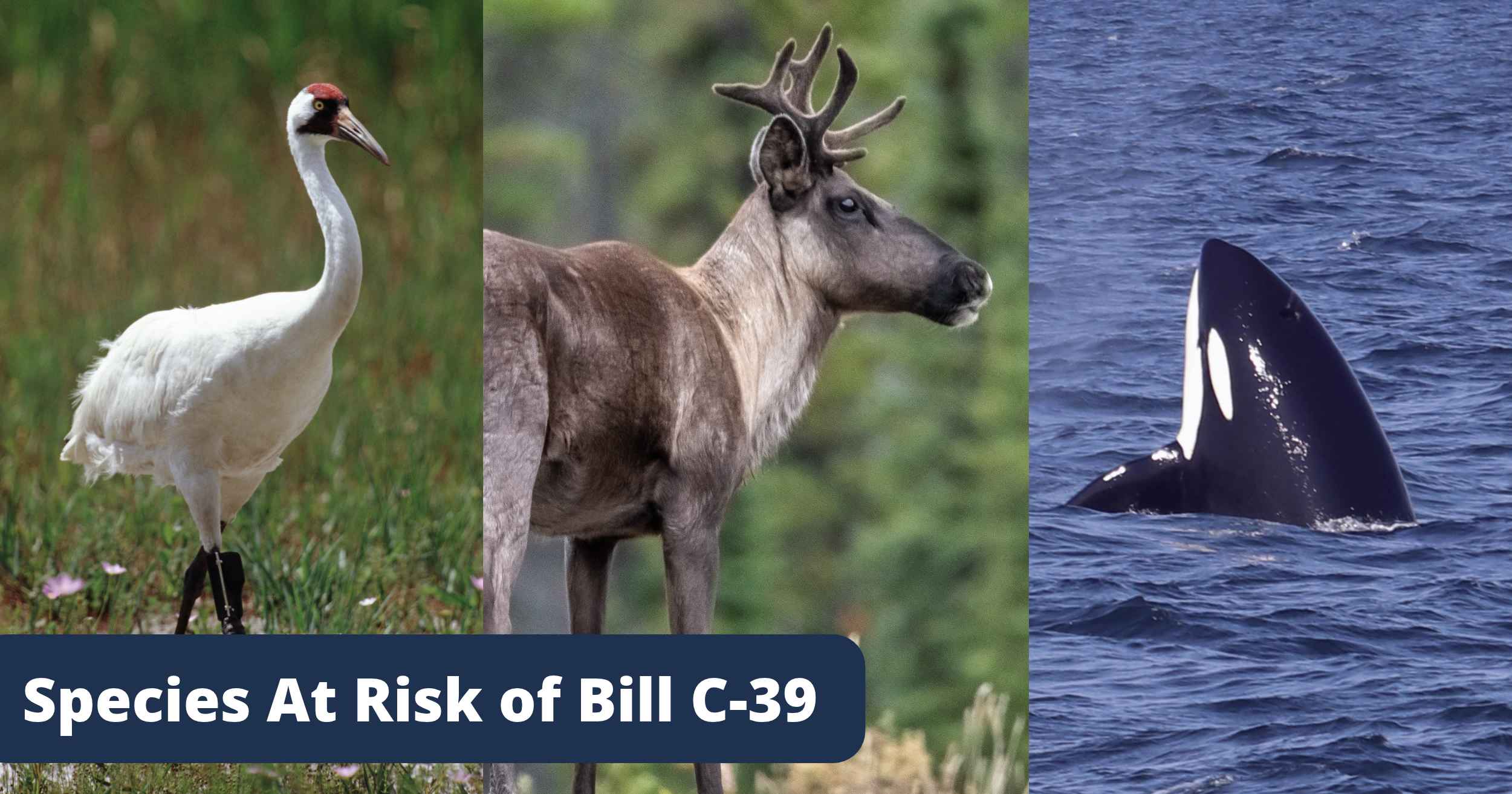
Changes in legislation due to Bill C-39 would undercut environmental safeguards, further threaten an estimated 163 species at risk, disregard Treaty rights, and limit the public’s ability to hold industries accountable.
What could these legislative changes mean for Alberta?
The West Coast Oil pipeline, now known as Pacific Link, is one of the first projects to be designated as a project of ‘national interest’. This designation exempts the project from critical safeguards that are meant to protect water, sensitive ecosystems, and wildlife while expediating timelines and reducing oversight.
Linking Alberta oil to the BC coast, the pipeline is proposed to carry an additional one million barrels of oil per day to tidewater and will help fulfill Alberta’s goal of doubling oil production by 2035.
“Albertans, British Columbians, and Canadians alike cherish this country for its beloved landscapes, abundance of freshwater, and the wildlife we share it with. Our future economic prosperity cannot come at the loss of the very places that make this nation what it is,” says Kecia Kerr, Executive Director of CPAWS Northern Alberta.
Indigenous Nations with traditional territories along the proposed pipeline route have expressed concern about the lack of consultation and effort on the part of Canadian government to obtain free, prior and informed consent for this project. It is imperative that the Government of Canada uphold Treaty and s.35 rights and meaningfully engage with Indigenous Nations before proceeding with the project.
Though Pacific Link is proposed to follow the path of the existing Trans Mountain Pipeline, expanding this corridor would create additional environmental disturbances. Building new infrastructure through an already disturbed landscape risks compounding cumulative effects and further fragmenting wildlife habitat, including that of the 110 species at risk that live along the route. The pipeline route also passes through Jasper National Park, where habitats disturbed by the Trans Mountain pipeline in 2008 are starting to recover.
With the designation of Pacific Link, Alberta has announced “a new era of oil sands growth“. Alberta is already facing significant challenges with over 170,000 abandoned wells spread across the province and the oilsands storing over a trillion litres of toxic waste directly beside the Athabasca River. Doubling of oil and gas production, especially through expanding oil sands mining, will result in extensive land disturbance, increased risk for water and wetlands, and large increases in emissions. These new impacts on top of the major, unresolved liabilities already on the landscape are not in the nation’s best long-term interest.
“These new bills, combined with Alberta’s oil production goals, will open the door to large-scale industrial expansion with fewer checks, less public scrutiny, and weaker protections for species at risk, fish habitat, and our fresh water,” says Kecia Kerr, Executive Director of CPAWS Northern Alberta.
To build Canada strong, we must hold strong to our values and protect the lands and waters that sustains us.
Want to help oppose these changes?
There is still time to speak up by signing a Petition to the House of Commons that calls for the removal of sections in Bill C-39 that weaken the protection of nature.
After that, you can contact your local Member of Parliament and urge them to say no to Bill C-39! You can find your Member of Parliament by inputting your postal code into this tool. While you are at it, express your concerns to the federal Minster of the Environment and Climate Change by emailing the Honourable Julie Dabrusin ([email protected]).
CPAWS National has also completed a review of Bill C-39 and submitted a list of recommended amendments to the federal government. The full text of the amendments can be found here. You can use CPAWS’ letter template to urge the government not to fast-track projects at the expense of our environment.
For more information, please contact:
Kecia Kerr, Executive Director, CPAWS Northern Alberta: [email protected]
Background
On October 1st, 2026, the Government of Canada announced the West Coast Oil pipeline, now known as Pacific Link, as one of the first projects designated to be in the ‘national interest’ under the new Bill C-5, Building Canada Act. The project would facilitate the Government of Alberta’s ambitious goal to double oil production in the province.
Bill C-5 allows the federal government to exempt projects designated as being in the “national interest” from key environmental laws. Bill C-39, significantly expands upon Bill C-5, allowing the federal government to create “Regions of National Interest” where multiple large industrial projects can be pre-approved based on a single regional assessment rather than reviewed on a project-by-project basis. The size and scope of these regions have not been defined.
Other specific amendments outlined in Bill C-39 that will impact the environment include:
- shortening project decision-making timelines to one-year (clause 2)
- allowing construction of major projects to begin before conducting environmental assessments (clause 5)
- giving federal Minsters sweeping powers to add, remove, or amend conditions on project approvals (clause 43)
- making federal regulators the primary reviewer of energy related projects, including pipeline developments (clause 121)
- amending the Species at Risk Act to allow federal Ministers to override species protections (clause 176)
- amending the Fisheries Act to provide opportunities for developers to pay a fee to “offset harms” to fish and fish habitat (clause 189)
Make a donation
Move conservation forward in Alberta.
Lasting protection for nature and wildlife in Alberta doesn’t happen overnight (although we wish it did)! Your donation fuels our fight for nature. Donate to support CPAWS Northern Alberta’s conservation efforts.
Donate