
Background
Part of the Ecosystem
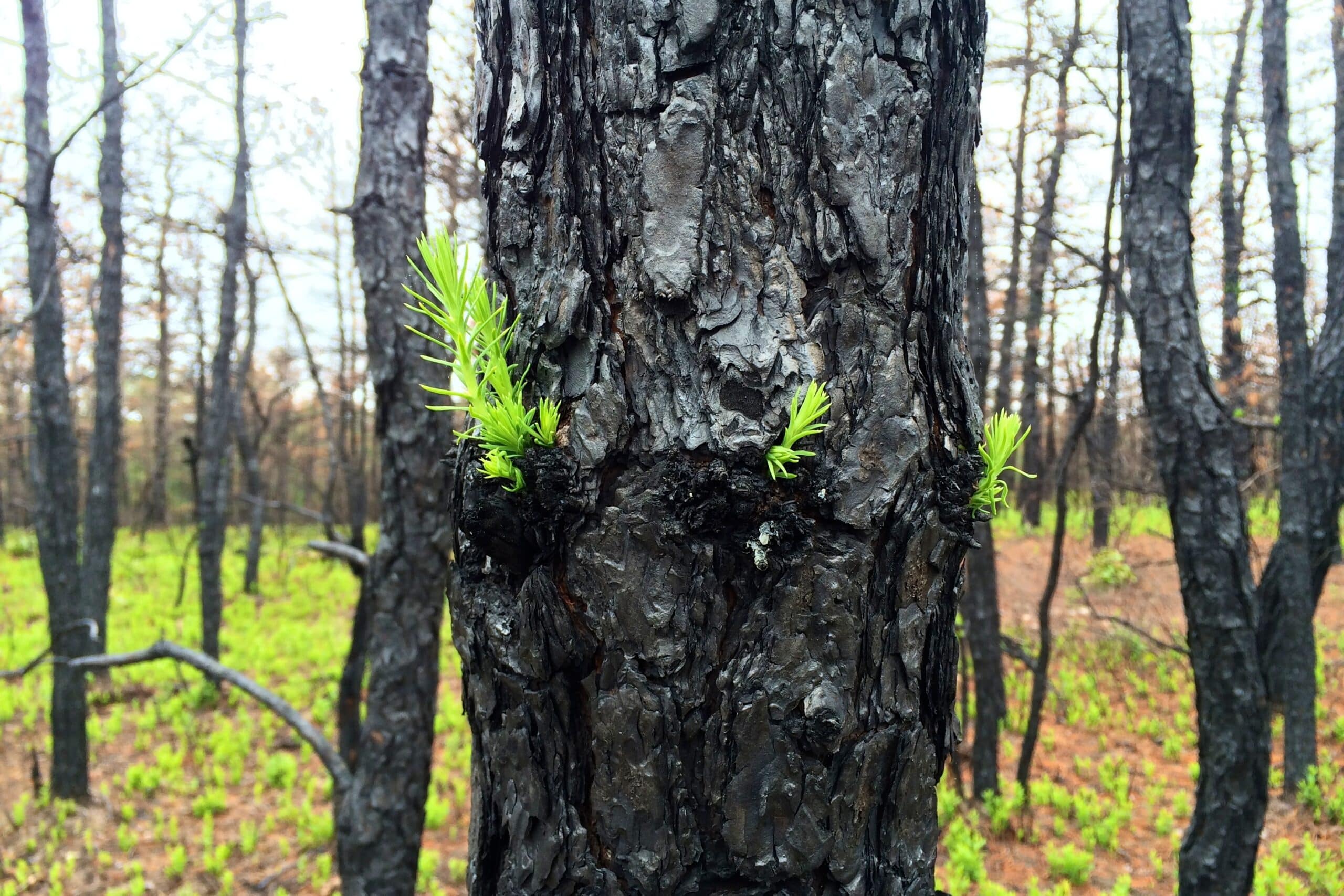
Wildfires are a natural part of most forested landscapes in Alberta and can have positive impacts on biodiversity, forest health, and resilience. Lightning and dry seasonal conditions have historically driven the boreal's natural fire cycle. For thousands of years, fire shaped the landscape, renewed forests, recycled nutrients, and created a diverse mix of habitats and forest ages across the region.
Indigenous Peoples have long recognized these benefits and have used fire for generations to promote sustainable forest use. However, changes in climate and modern land use practices have shifted this once balanced relationship, with both ecosystems and communities experiencing larger and more severe impacts from wildfires.
What is forestry's role in mitigating wildfire risk?
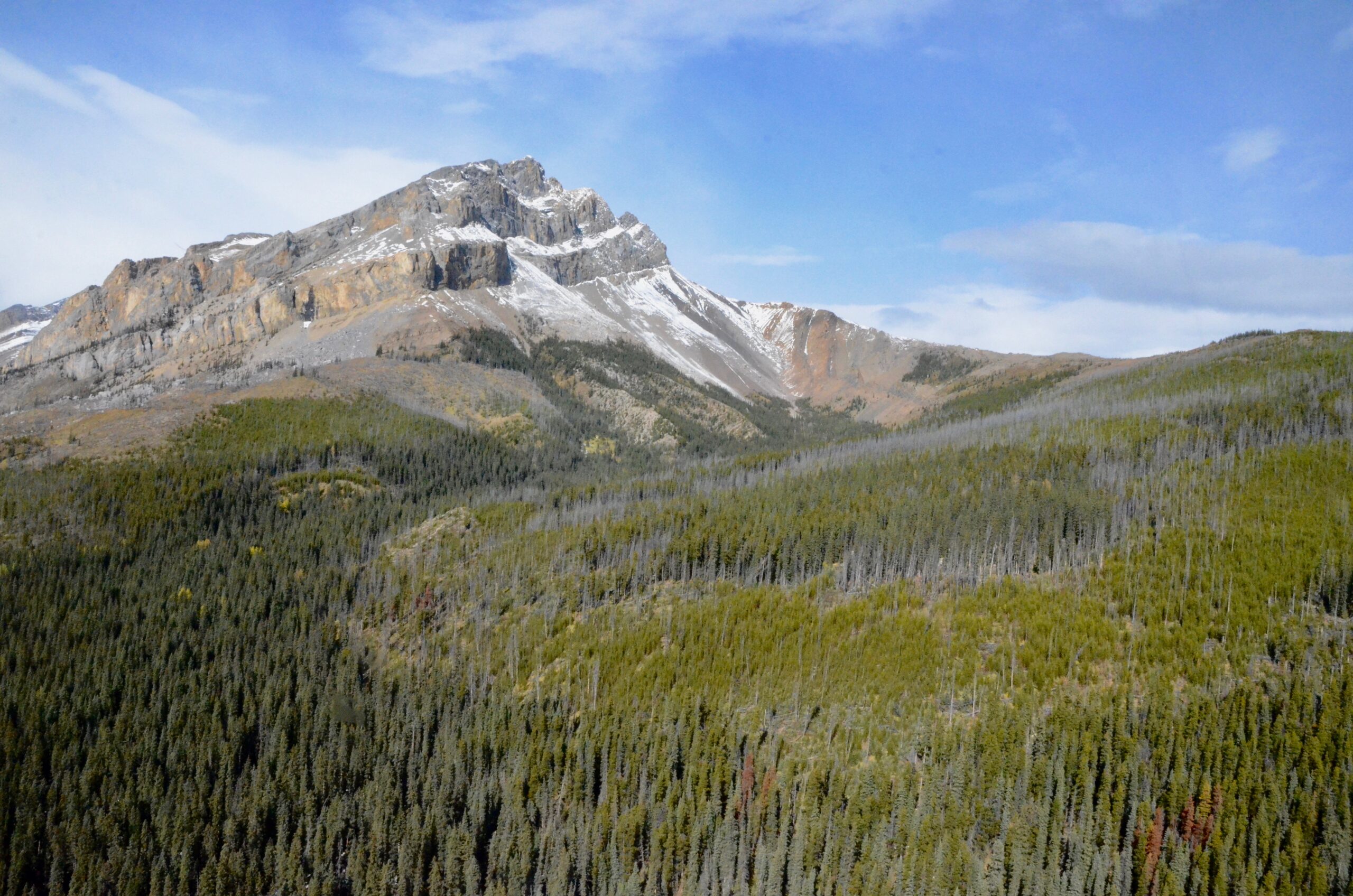
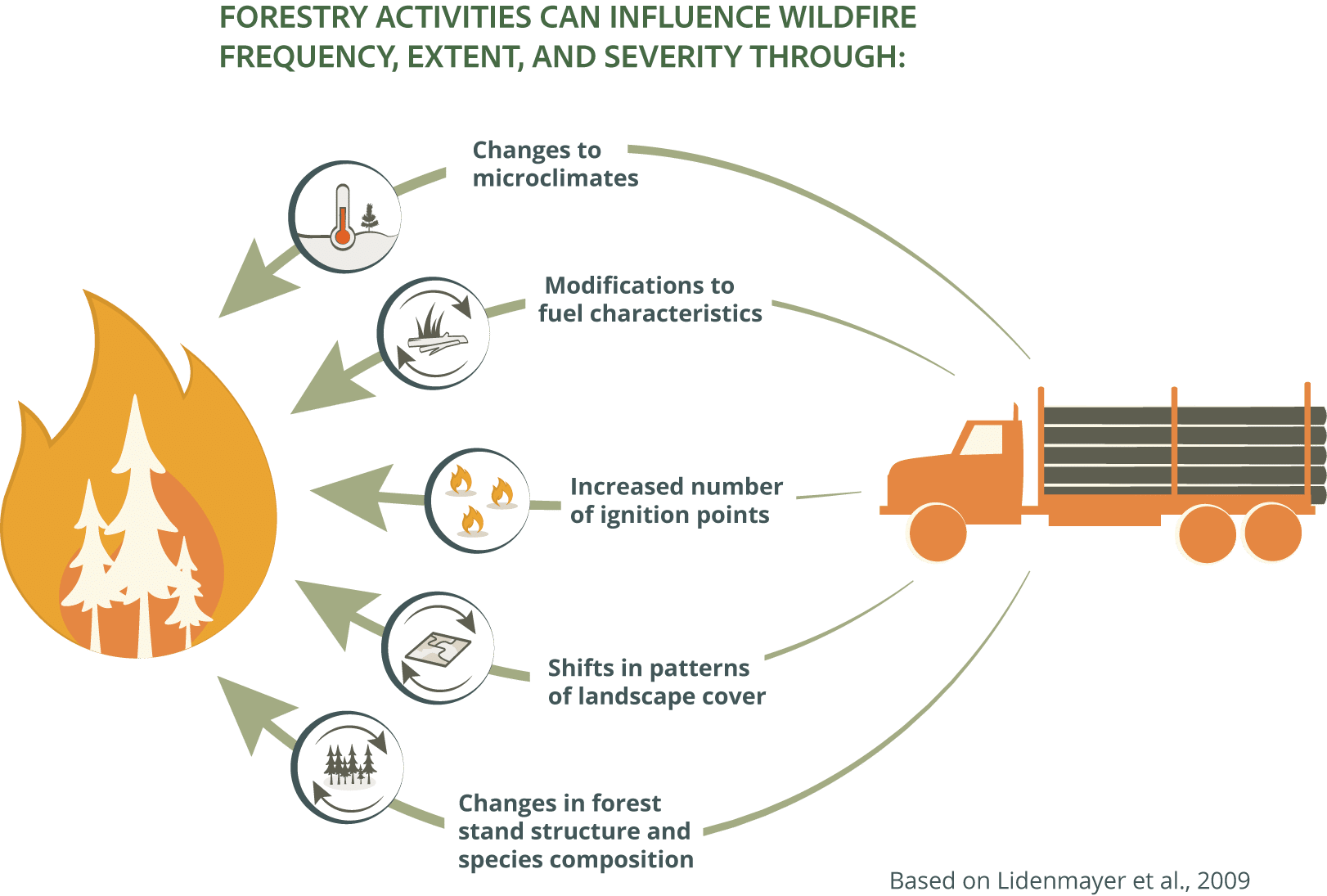
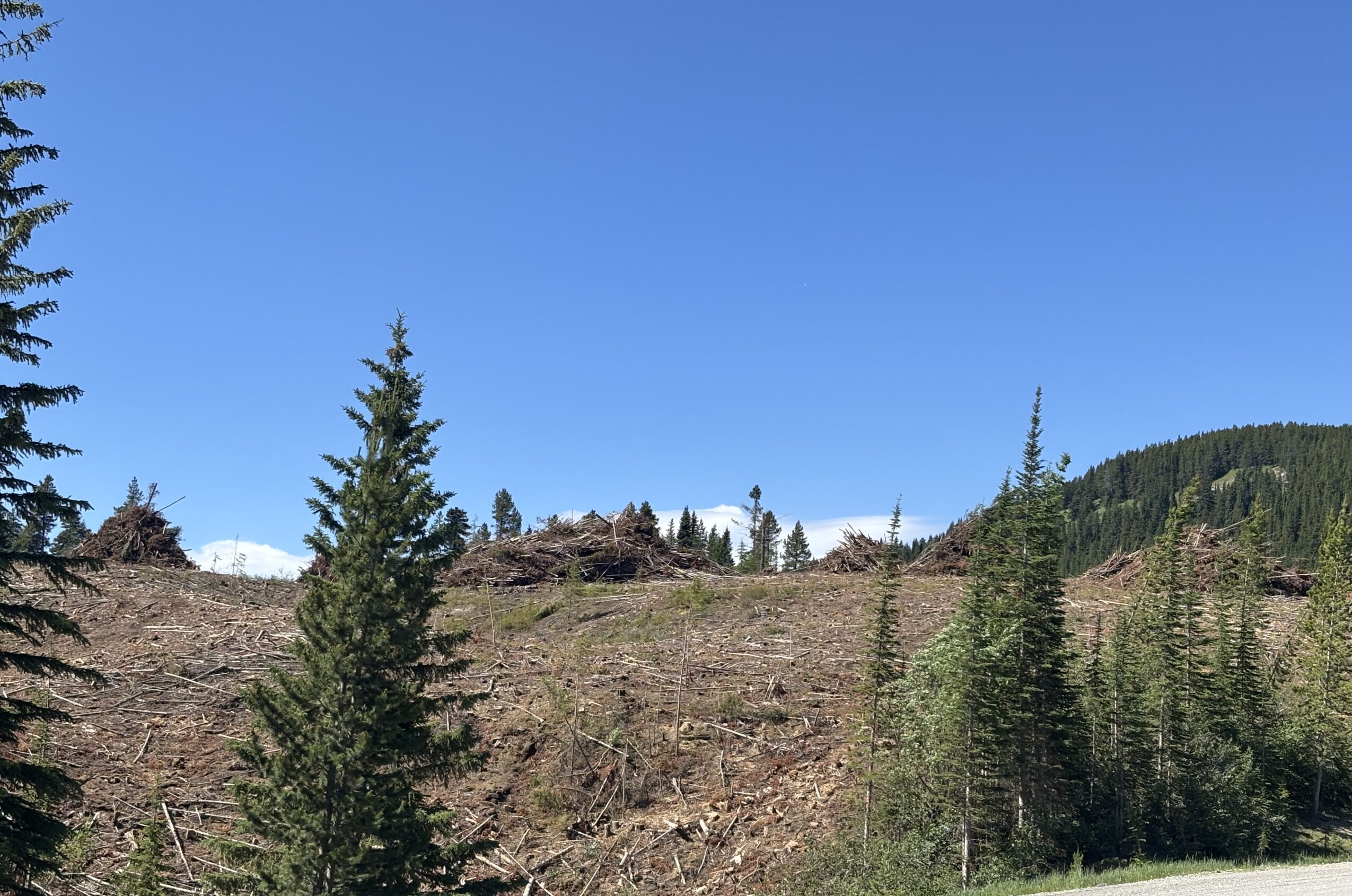
Forestry has one of the largest geographic footprints of any land use in Alberta and is arguably the industry most directly impacted by wildfires. Apart from continued efforts to reduce greenhouse gas emissions, forest management presents one of the biggest opportunities to address local wildfire risk. This raises several questions: How should this be done, who should drive these efforts, and where should interventions be made? Read more about forestry in Alberta here.
How the forestry industry prepares for, or responds to, wildfire risk can have significant impacts on forest ecology, ecosystem resilience and biodiversity, and the communities at risk. There is a need to better understand what role forestry can/should play for the protection of land and waters in Alberta.
Quick Snapshot
- Wildfires are a natural part of boreal ecosystems
- Fire seasons are becoming longer and more intense
- Climate change is a major driver of wildfires
- Human-caused fires are increasing risk near communities
- Indigenous fire stewardship has long shaped landscapes

Learn more
Visit our Storymap
This resource compiles the most up to date research on wildfire and land use activities, with lessons learned from decades of research and forest management in Canada.
What Causes Wildfires?
Ignition
Wildfires have two general causes: lightning or people. About half of Alberta wildfires are started by lightning, while the other half are from a variety of human-causes. Any source that is hot enough or causes a spark close to dry vegetation can ignite a wildfire.
This includes fires that start from:
- recreational land users (e.g. improper extinguishing of campfires; sparks or exhaust heat from off-highway vehicles; improperly discarding cigarette butts)
- industrial and resource activities (e.g. sparking or hot equipment; flaring; welding and grinding)
- powerlines and infrastructure (e.g. downed powerlines; electrical faults)
As thunderstorms become more frequent across the province, lightning-caused wildfires will likely occur more often. These fires usually burn greater areas of land since they generally start in remote locations that are more difficult to detect.
Fire Behavior
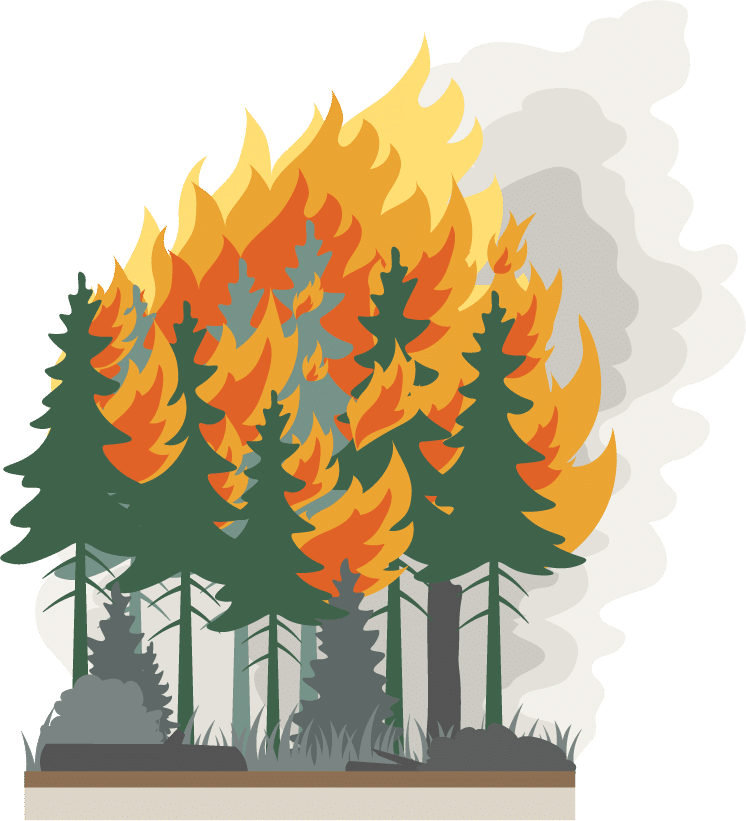
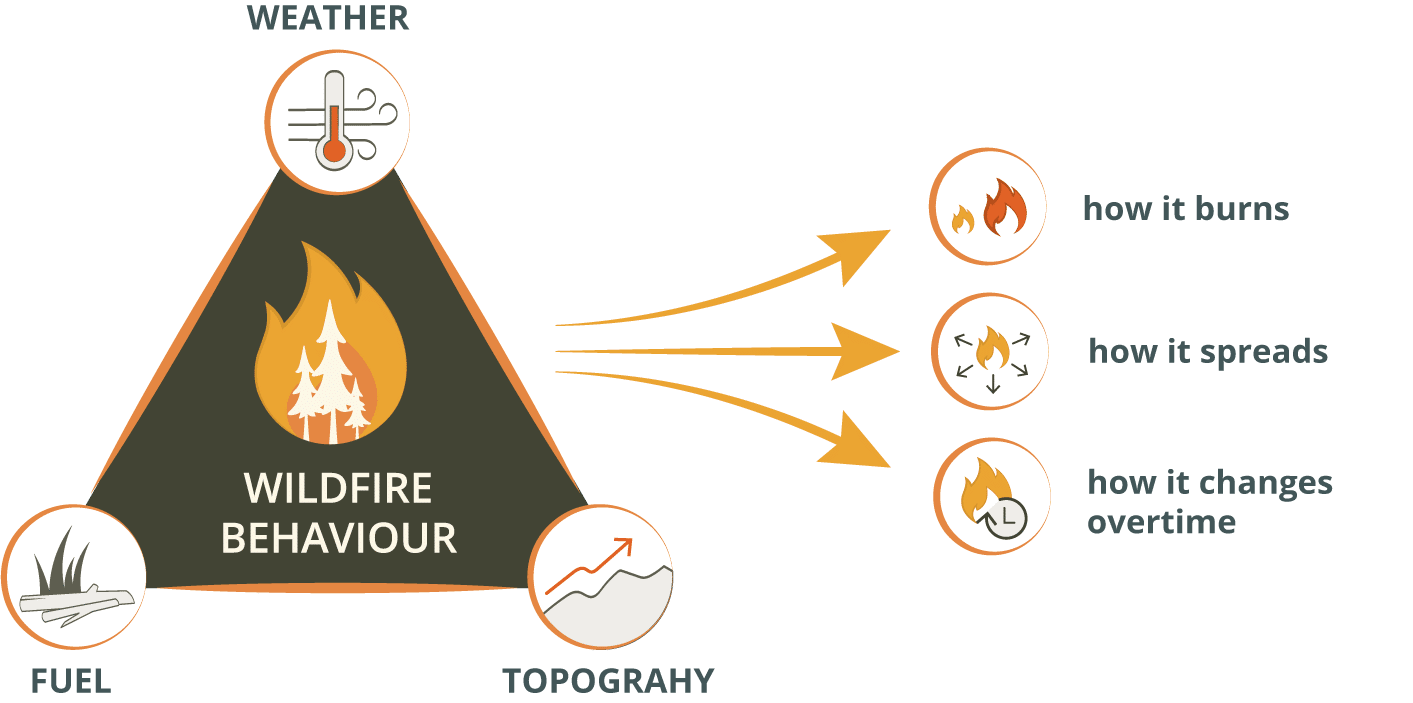
Favorable wildfire conditions can escalate tiny ignition sources into fires that burn hundreds of thousands of hectares of forested land. Environmental conditions can create the “perfect storm” for wildfire. So, what are these conditions?
Wildfire behaviour is generally driven by three main factors: weather, fuel, and topography.
Impacts of Wildfire
When did fires become more harmful?
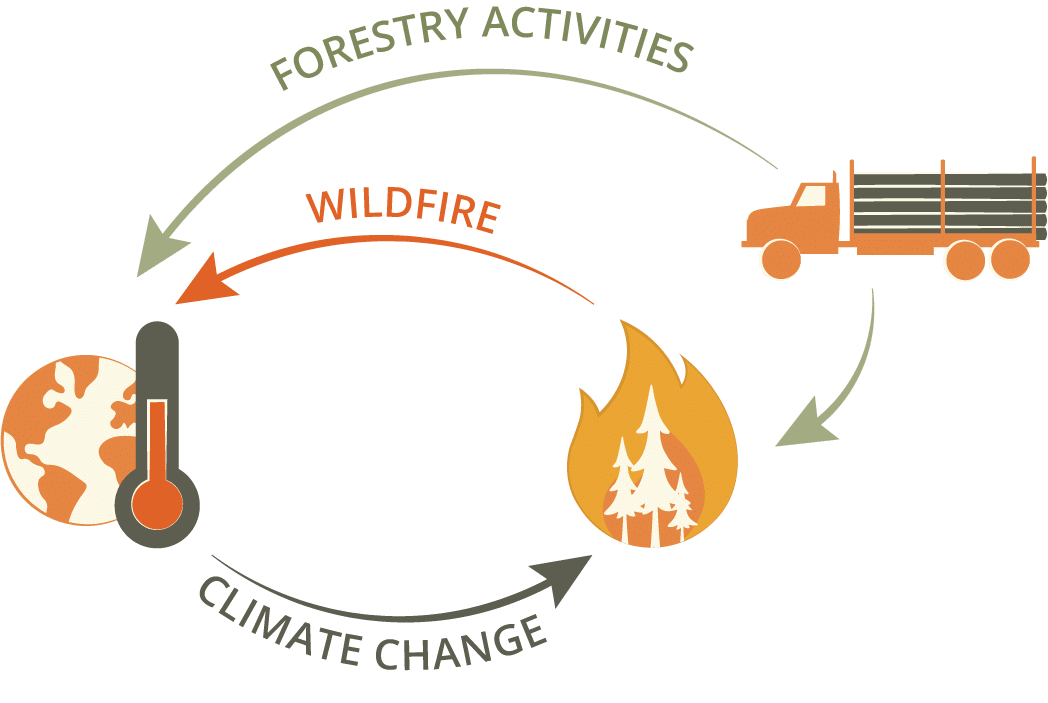
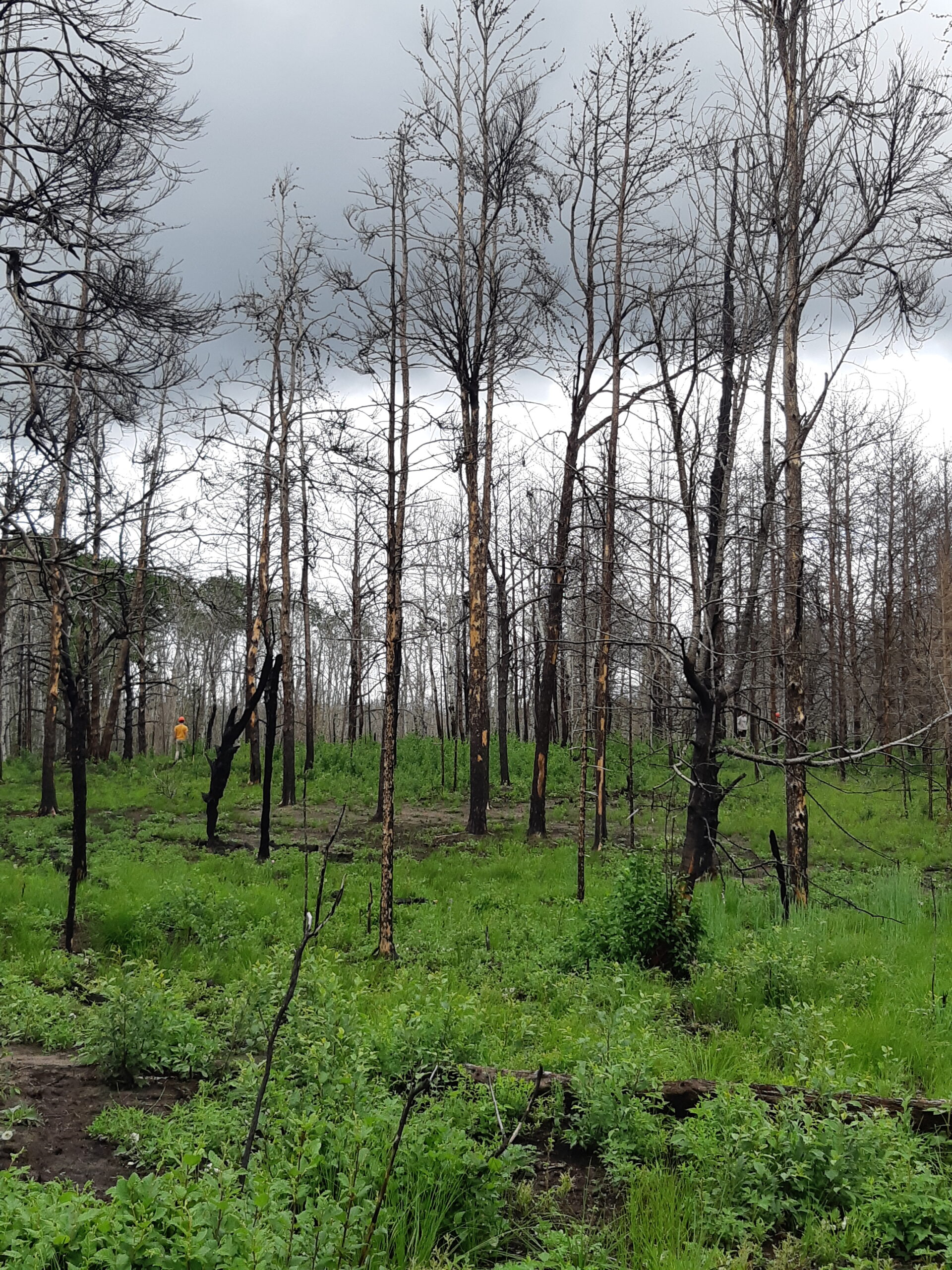
Wildfires are burning more intensely as a result of post-colonial forest management interacting with the impacts of climate change.
Fire suppression practices have also changed the natural fire cycle and limited traditional Indigenous burning. There is growing recognition that Indigenous fire stewardship plays an important role in maintaining the long-term health and resilience of Alberta’s boreal forest.
In the past, the impacts of wildfires would have been limited to the burned area and immediate surroundings, limiting the impacts on biodiversity and the ecosystem.
This has changed drastically, with more extreme impacts extending beyond local regions to a continental scale. Wildfire mitigation is an important issue for all Canadians.
Indigenous Knowledge and Fire Stewardship
Historically, Indigenous peoples in North America widely used fire as a tool to manage resources (e.g., to create better moose habitat), for cultural purposes, and to protect communities – what is often referred to as Indigenous fire stewardship.
Frequent low severity burning, often carried out in the spring, winter, or fall when wildfire risk is lower, reduces fuel loads and creates mosaics of habitat that reduce negative impacts from wildfire while bolstering biodiversity. Over generations, these practices have shaped ecosystems and their fire regimes.
While Indigenous communities have long recognized the importance of controlled burning as wildfire management tool, colonization and legal barriers led to the loss of these practices and continue to act as barriers to the revitalization of Indigenous fire stewardship.
Despite this, many Indigenous communities in Canada are working to maintain and revive fire stewardship, with cultural burning is increasingly being used as an Indigenous-led climate adaptation strategy.
Given how Indigenous communities are disproportionally impacted by wildfires, prioritizing Indigenous fire stewardship in fire management is critical to minimizing wildfire risk to all communities.
Recommendations for Managing Wildfire Risk
Effective wildfire mitigation strategies
Revitalize Indigenous fire stewardship
Recognize Indigenous fire stewardship as a year-round relationship with the land that reduces community fire risk and improves resilience to climate change. Increase financial support for Indigenous fire stewardship and reduce administrative and policy barriers that currently impede the reintroduction of cultural burning.Prioritize community protection and ecological resilience
Forestry can play a role in risk reduction, but only when management priorities are community-led and shift away from timber extraction.Protect primary and older forests
Mature and primary forests store 30–50% more carbon than managed forests and often exhibit lower fire severity due to their complex, multi-aged structure. They also help promote water security, tourism and recreation.Protect wetlands and refugia
Intact peatlands and wetlands function as natural fire buffers and carbon reservoirs. Forestry activities that drain or fragment these areas significantly increase landscape-level fire risk.Promote deciduous buffers
Increasing the proportion of deciduous species (e.g., aspen) that act as a natural fire breaks. Policies that suppress deciduous growth through herbicides (e.g., glyphosate) should be avoided, particularly near communities.Prioritize the Wildland-Urban Interface (WUI):
- Fuel treatments (thinning, fireguards, FireSmarting) provide the greatest direct protection when located within or immediately adjacent to communities and infrastructure, but must be accompanied by longer-term risk reduction strategies, such as replanting at lower densities and with deciduous species. Community programs must be community-led and must include long-term monitoring plans.
Specific recommendations for forest management
Additional Resources
- Story map: Wildfire Resilience Over Risk
- Alberta Wildfire Status Dashboard
- FireSmart Canada
- Infosheet: Indigenous Fire Stewardship
- Wildfire Risk: Untangling what we can and cannot change
- Addressing the Impact of Wildfires on Caribou Recovery: A Call for Action
- Webinar: Reuniting with Fire: Restoring Indigenous Fire Stewardship in Canada
Learn more
Visit our Storymap
This resource compiles the most up to date research on wildfire and land use activities, with lessons learned from decades of research and forest management in Canada.
Make a donation
Move conservation forward in Alberta.
Lasting protection for nature and wildlife in Alberta doesn’t happen overnight (although we wish it did)! Your donation fuels our fight for nature. Donate to support CPAWS Northern Alberta’s conservation efforts.